Compara los precios de Last Time I Saw You en tiendas de claves de confianza y encuentra la mejor oferta. Desarrollado por Maboroshi Artworks. Publicado por Chorus Worldwide Games. Lanzado el 10/10/2024. Disponible en PC. Géneros: Adventure, Casual, Indie. Puntuación Metacritic: 80/100.

A hand-drawn debut from a tiny Osaka studio that pulls off something rare: a six-hour coming-of-age story about a boy, a cursed forest, and yokai that actually earns its ending.

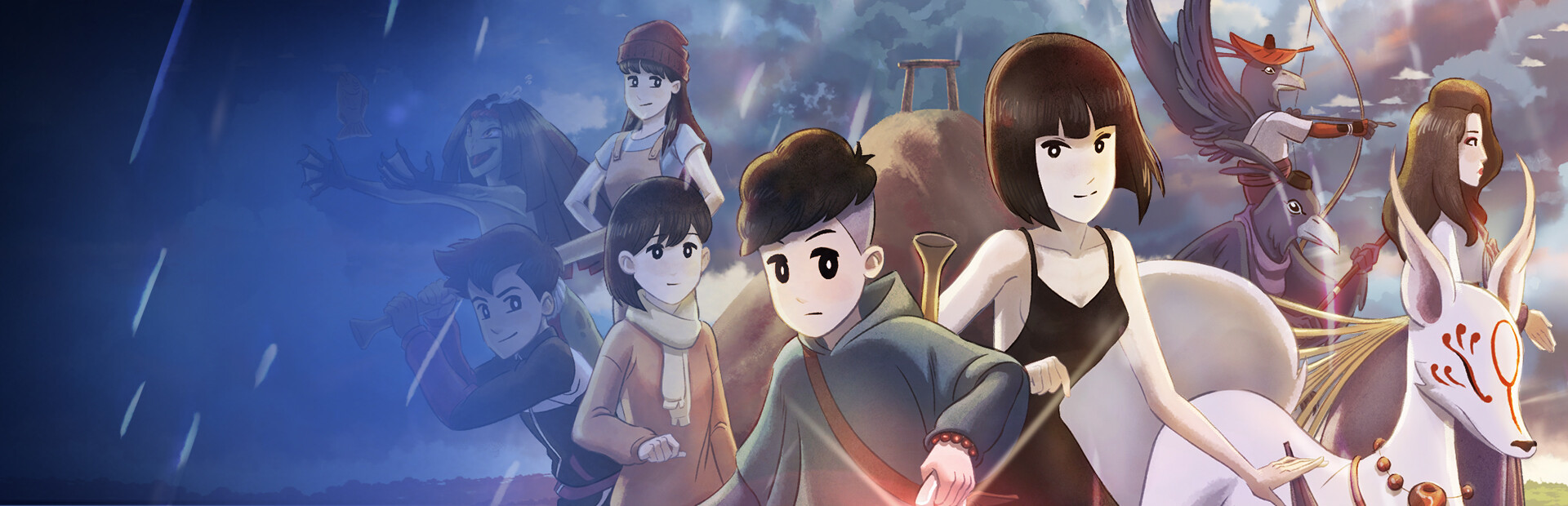
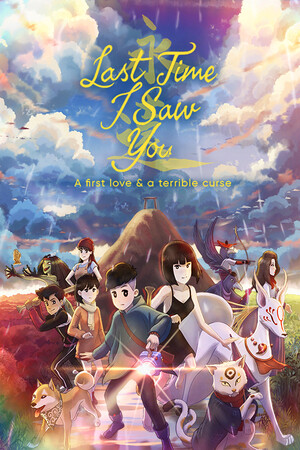
My first instinct when I booted Last Time I Saw You was to slow down and just look at it. Maboroshi Artworks is a brand-new studio, and this is their debut title, and yet the hand-drawn animation carries a level of craft you rarely see from first releases. Hazy lens flares, rainstorm light, the particular amber of a late-80s Japanese afternoon. The art alone sets a mood that most narrative games chase for years without achieving. The soundtrack, composed by Laryssa Okada, reinforces it: slow, wistful, closer to a lo-fi film score than a video game OST. Ambient forest sounds, echoing footsteps, distant birdsong. When those layers work together the atmosphere is genuinely transporting. You play as Ayumi, a twelve-year-old boy in the coastal town of Amatsu whose recurring dreams about a girl in the forest collide with an incoming typhoon. The game unfolds across roughly ten in-game days, each one structured around Ayumi's routines: talking to his parents before school, hanging out with best friends Nao and Manabu, spending his daily allowance at market stalls, and eventually pushing deeper into a forest the town treats as off-limits. The day-by-day rhythm is deliberate. Each new morning reveals something fresh. Townspeople shift, tensions surface, and the yokai of the forest, including kappa, nekomata, samurai crows, and a nine-tailed fox, gradually reveal layered backstories that are as melancholy as any human subplot in the game. The script is careful about this: flaws belong to everyone, living and supernatural alike, and the game is patient enough to let those flaws accumulate before paying them off. Gameplay sits closer to a streamlined side-scrolling point-and-click than a platformer, though it borrows lightly from both. Ayumi carries a baseball bat capable of a three-hit combo and a jump attack for dispatching smoke-like shadow spirits in the forest. The combat is low-stakes by design: shrines act as save points placed roughly one to two minutes apart, and the encounters test patience more than reflex. An air dash ability unlocks later and adds a small degree of mobility. The more engaging moment-to-moment activity is exploration: solving environmental puzzles involving ceremonial bells, leaving origami in specific locations, fulfilling sub-quests for townsfolk and forest spirits, and hunting down collectibles like kokeshi dolls and pachinko balls. There is also an in-game 8-bit console minigame at Ayumi's house that is notably harder than anything else in the experience, and it will frustrate completionists chasing full achievements. The backtracking across the map is the game's most consistent friction point. Default movement is set to Run for a reason, and even then, repeated trips between the town and deeper forest areas can feel repetitive during marathon sessions. Where the game earns its Metacritic 80 is in its writing and its restraint. The story knows when to be quiet. The daily wrap-up sequences where Ayumi bathes, talks with his parents, and processes the day have been criticized by some as repetitive, and fair enough, but they also build the domestic texture that makes the supernatural sequences feel genuinely strange by contrast. The yokai are not window dressing. Talking to them surfaces grief and longing in ways the human cast cannot quite reach. The creative director has cited Night in the Woods as a primary inspiration, and you can feel that: a preoccupation with small-town weight, with the specific sadness of people who stayed behind. For a debut release, Last Time I Saw You lands something that takes most studios several attempts to find. Kai, Scout Team

Last Time I Saw You

Last Time I Saw You

10 oct 2024Maboroshi ArtworksChorus Worldwide Games
GamerScout opina

A hand-drawn debut from a tiny Osaka studio that pulls off something rare: a six-hour coming-of-age story about a boy, a cursed forest, and yokai that actually earns its ending.

PC
Steam Deck VerifiedProtonDB Platinum
Mejor precio disponible
€0.00
en N/A
Mínimo histórico: €2.81

Comparar precios(0 tiendas)

Cargando precios...

We may earn a commission when you buy games through links on this page — at no extra cost to you. It never affects our rankings or verdicts.

Historial de precios

Historical low
€2.8126 Jun 2026
Keyshops
€2.67€3.15€3.64€4.125 Jun11 Jun17 Jun22 Jun28 Jun
Tracking prices since 5 Jun 2026
Create alert

Capturas y multimedia

Acerca de Last Time I Saw You

My first instinct when I booted Last Time I Saw You was to slow down and just look at it. Maboroshi Artworks is a brand-new studio, and this is their debut title, and yet the hand-drawn animation carries a level of craft you rarely see from first releases. Hazy lens flares, rainstorm light, the particular amber of a late-80s Japanese afternoon. The art alone sets a mood that most narrative games chase for years without achieving. The soundtrack, composed by Laryssa Okada, reinforces it: slow, wistful, closer to a lo-fi film score than a video game OST. Ambient forest sounds, echoing footsteps, distant birdsong. When those layers work together the atmosphere is genuinely transporting. You play as Ayumi, a twelve-year-old boy in the coastal town of Amatsu whose recurring dreams about a girl in the forest collide with an incoming typhoon. The game unfolds across roughly ten in-game days, each one structured around Ayumi's routines: talking to his parents before school, hanging out with best friends Nao and Manabu, spending his daily allowance at market stalls, and eventually pushing deeper into a forest the town treats as off-limits. The day-by-day rhythm is deliberate. Each new morning reveals something fresh. Townspeople shift, tensions surface, and the yokai of the forest, including kappa, nekomata, samurai crows, and a nine-tailed fox, gradually reveal layered backstories that are as melancholy as any human subplot in the game. The script is careful about this: flaws belong to everyone, living and supernatural alike, and the game is patient enough to let those flaws accumulate before paying them off. Gameplay sits closer to a streamlined side-scrolling point-and-click than a platformer, though it borrows lightly from both. Ayumi carries a baseball bat capable of a three-hit combo and a jump attack for dispatching smoke-like shadow spirits in the forest. The combat is low-stakes by design: shrines act as save points placed roughly one to two minutes apart, and the encounters test patience more than reflex. An air dash ability unlocks later and adds a small degree of mobility. The more engaging moment-to-moment activity is exploration: solving environmental puzzles involving ceremonial bells, leaving origami in specific locations, fulfilling sub-quests for townsfolk and forest spirits, and hunting down collectibles like kokeshi dolls and pachinko balls. There is also an in-game 8-bit console minigame at Ayumi's house that is notably harder than anything else in the experience, and it will frustrate completionists chasing full achievements. The backtracking across the map is the game's most consistent friction point. Default movement is set to Run for a reason, and even then, repeated trips between the town and deeper forest areas can feel repetitive during marathon sessions. Where the game earns its Metacritic 80 is in its writing and its restraint. The story knows when to be quiet. The daily wrap-up sequences where Ayumi bathes, talks with his parents, and processes the day have been criticized by some as repetitive, and fair enough, but they also build the domestic texture that makes the supernatural sequences feel genuinely strange by contrast. The yokai are not window dressing. Talking to them surfaces grief and longing in ways the human cast cannot quite reach. The creative director has cited Night in the Woods as a primary inspiration, and you can feel that: a preoccupation with small-town weight, with the specific sadness of people who stayed behind. For a debut release, Last Time I Saw You lands something that takes most studios several attempts to find.

Kai
Kai · Scout Team

Indie & narrative

Etiquetas

singleplayerachievementscontroller-supportcloud-savestier:aaaComing-of-AgeYokaiDay-Cycle StructureSide-Scrolling ExplorationLight PlatformerMinigame IncludedCompletionist-FriendlyNight in the Woods-like

Requisitos del sistema

Mínimos

OS
Windows 10 Version 18362.0 or Higher
Memory
8 GB RAM
DirectX
Version 11
Storage
2 GB available space
Graphics
DirectX 11 - Compatible Graphics Card with at least 1GB of Video Memory
Processor
Dual Core 3.0 GHz Processor
Sound Card
DirectX Compatible Sound Card

Recomendados

OS
Windows 10 Version 18362.0 or Higher
Memory
8 GB RAM
DirectX
Version 11
Storage
2 GB available space
Graphics
Nvidia GTX 970 | AMD RX 570
Processor
AMD Ryzen 3 | Intel i5 Skylake
Sound Card
DirectX Compatible Sound Card

Sigue explorando

Community Discussion

Be the first to comment on Last Time I Saw You.

Reseñas y valoraciones

Metacritic
80

Información del juego

Desarrolladora
Maboroshi Artworks
Distribuidora
Chorus Worldwide Games
Fecha de lanzamiento
10 oct 2024

Alerta de precio

¡Recibe un aviso cuando el precio baje de tu objetivo!

Crear alerta

Compra mejor: guías útiles

¿Buscas más? Mira juegos como Last Time I Saw You →

Preguntas frecuentes sobre Last Time I Saw You

¿Cuánto cuesta Last Time I Saw You?

El precio de Last Time I Saw You cambia a menudo y varía según la tienda, la edición y la región. La tabla de precios en vivo de esta página compara las ofertas más baratas en stock de tiendas de claves de confianza como Eneba y Kinguin, para que siempre veas el precio más bajo actual antes de comprar.

¿Dónde puedo comprar Last Time I Saw You más barato?

Compara los precios de Last Time I Saw You en todas las tiendas verificadas en la tabla de precios de esta página. Listamos las ofertas de claves y tiendas más baratas en stock, actualizadas con frecuencia, para que siempre veas la mejor oferta actual antes de comprar.

¿En qué plataformas está disponible Last Time I Saw You?

Last Time I Saw You está disponible en PC.

¿Cuándo se lanzó Last Time I Saw You?

Last Time I Saw You se lanzó el 10 de octubre de 2024.

¿Quién desarrolló Last Time I Saw You?

Last Time I Saw You fue desarrollado por Maboroshi Artworks y publicado por Chorus Worldwide Games.

¿Merece la pena comprar Last Time I Saw You?

Last Time I Saw You tiene una puntuación Metacritic de 80/100, lo que lo convierte en uno de los títulos destacados de Adventure. Mira las reseñas completas, las valoraciones y los tiempos de duración en esta página para decidir.