
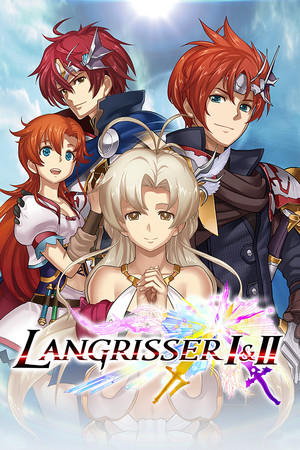
Compara los precios de Langrisser I & II en tiendas de claves de confianza y encuentra la mejor oferta. Desarrollado por Chara-ani Corporation. Publicado por NIS America, Inc.. Lanzado el 10/3/2020. Disponible en PC. Géneros: RPG, Strategy.

Two genre-founding SRPGs rebuilt for modern screens, finally playable in English, and sharper than most of what Fire Emblem has shipped in the last decade if you care about unit economics.

I went in expecting a polished but inessential nostalgia trip and came out recalibrating my personal tier list for the whole tactical-RPG genre. Langrisser I and II are grid-based, turn-based SRPGs originally born on the Sega Mega Drive in the early 1990s, and this remake packages both titles with redrawn art, reorchestrated music, quality-of-life overlays, and the first official English release of Langrisser II outside Japan. That last point alone is historically significant for the genre. The mechanical core that separates Langrisser from its better-known competitors is the commander-and-mercenary system. Each playable commander anchors a squad of hired mercenaries who draw their combat strength from proximity to that commander. Lose the commander and the squad collapses; kill the enemy commander and you tear the heart out of their formation. Mercenaries are dismissed after each battle and do not carry XP across chapters, so you are managing a rolling economy of class points (CP) and gold rather than a permanent roster. That CP-driven class tree is the other major lever: each commander can branch through multiple tiers of classes, from fighters and hawk knights up through dragon lords and master-level prestige options, with each class tier unlocking a different mercenary type. The remake lets you swap classes freely between battles, which critics have flagged as a casualization compared to the originals, but the trade-off is a system newcomers can actually experiment with rather than soft-lock themselves inside of. Spell types break into attack, support, summon, and special magic categories, and terrain modifiers reward players who think about positioning rather than just rushing enemy commanders. Langrisser I is the tighter, shorter experience. One playthrough runs roughly twelve hours, and the branching story routes give replay value without demanding it. The narrative is lean 16-bit fantasy: prince escapes invasion, prince recovers legendary sword, prince beats ancient evil. Do not come here for dialogue depth. Langrisser II is where the design breathes. Elwin's story features multiple faction allegiances, and the remake lifts the Der Langrisser variant of that game, which means you can align with the Descendants of Light, the Rayguard Empire, or the forces of darkness, with each path reshuffling which commanders fight alongside you versus against you. A flow chart now shows where chapter splits occur, removing the trial-and-error frustration of the original. The sequel is also considerably more dialogue-heavy, and characters like Leon of the Blue Dragon Knights land as genuinely memorable antagonists given the era. The rough edges are real. Ally and NPC AI is notoriously unreliable, particularly when the mission objective involves protecting a unit that insists on walking into danger. Battles can stretch long once mercenary counts balloon, and the map environments between the two games look nearly identical in places, which blunts the sense of progression. The new character art by Ryo Naga is divisive; classic Satoshi Urushihara artwork is togglable, but switching to it disables the newer CG event scenes, forcing a compromise. The presentation throughout feels budgeted, with story scenes rendered in sparse visual novel format. None of this is a dealbreaker if you are already oriented toward old-school SRPG depth, but players arriving from a more production-heavy entry point may find the budget seams distracting. Between both titles, expect somewhere in the range of sixty to seventy hours if you follow a single route through each game, with substantial additional time available across the branching paths and New Game+ options. For strategy players who want to understand where Fire Emblem's commander focus and faction-choice systems originally came from, this package is the direct historical answer. The class tree has genuine planning depth once you stop swapping freely and start committing to a build philosophy. Approaching it as a beginner: start Langrisser I, let the opening chapters teach you commander positioning, then carry that instinct into Langrisser II where the faction system will actually reward your investment. Diego, Scout Team

Langrisser I & II

Langrisser I & II

10 mar 2020Chara-ani CorporationNIS America, Inc.
GamerScout opina

Two genre-founding SRPGs rebuilt for modern screens, finally playable in English, and sharper than most of what Fire Emblem has shipped in the last decade if you care about unit economics.

PC
Steam Deck VerifiedProtonDB Platinum
Mejor precio disponible
€0.00
en N/A
Mínimo histórico: €11.53

Comparar precios(0 tiendas)

Cargando precios...

We may earn a commission when you buy games through links on this page — at no extra cost to you. It never affects our rankings or verdicts.

Historial de precios

Historical low
€11.5317 Jun 2026
Keyshops
€10.71€11.33€11.96€12.588 Jun13 Jun18 Jun23 Jun28 Jun
Tracking prices since 8 Jun 2026
Create alert

Capturas y multimedia

Acerca de Langrisser I & II

I went in expecting a polished but inessential nostalgia trip and came out recalibrating my personal tier list for the whole tactical-RPG genre. Langrisser I and II are grid-based, turn-based SRPGs originally born on the Sega Mega Drive in the early 1990s, and this remake packages both titles with redrawn art, reorchestrated music, quality-of-life overlays, and the first official English release of Langrisser II outside Japan. That last point alone is historically significant for the genre. The mechanical core that separates Langrisser from its better-known competitors is the commander-and-mercenary system. Each playable commander anchors a squad of hired mercenaries who draw their combat strength from proximity to that commander. Lose the commander and the squad collapses; kill the enemy commander and you tear the heart out of their formation. Mercenaries are dismissed after each battle and do not carry XP across chapters, so you are managing a rolling economy of class points (CP) and gold rather than a permanent roster. That CP-driven class tree is the other major lever: each commander can branch through multiple tiers of classes, from fighters and hawk knights up through dragon lords and master-level prestige options, with each class tier unlocking a different mercenary type. The remake lets you swap classes freely between battles, which critics have flagged as a casualization compared to the originals, but the trade-off is a system newcomers can actually experiment with rather than soft-lock themselves inside of. Spell types break into attack, support, summon, and special magic categories, and terrain modifiers reward players who think about positioning rather than just rushing enemy commanders. Langrisser I is the tighter, shorter experience. One playthrough runs roughly twelve hours, and the branching story routes give replay value without demanding it. The narrative is lean 16-bit fantasy: prince escapes invasion, prince recovers legendary sword, prince beats ancient evil. Do not come here for dialogue depth. Langrisser II is where the design breathes. Elwin's story features multiple faction allegiances, and the remake lifts the Der Langrisser variant of that game, which means you can align with the Descendants of Light, the Rayguard Empire, or the forces of darkness, with each path reshuffling which commanders fight alongside you versus against you. A flow chart now shows where chapter splits occur, removing the trial-and-error frustration of the original. The sequel is also considerably more dialogue-heavy, and characters like Leon of the Blue Dragon Knights land as genuinely memorable antagonists given the era. The rough edges are real. Ally and NPC AI is notoriously unreliable, particularly when the mission objective involves protecting a unit that insists on walking into danger. Battles can stretch long once mercenary counts balloon, and the map environments between the two games look nearly identical in places, which blunts the sense of progression. The new character art by Ryo Naga is divisive; classic Satoshi Urushihara artwork is togglable, but switching to it disables the newer CG event scenes, forcing a compromise. The presentation throughout feels budgeted, with story scenes rendered in sparse visual novel format. None of this is a dealbreaker if you are already oriented toward old-school SRPG depth, but players arriving from a more production-heavy entry point may find the budget seams distracting. Between both titles, expect somewhere in the range of sixty to seventy hours if you follow a single route through each game, with substantial additional time available across the branching paths and New Game+ options. For strategy players who want to understand where Fire Emblem's commander focus and faction-choice systems originally came from, this package is the direct historical answer. The class tree has genuine planning depth once you stop swapping freely and start committing to a build philosophy. Approaching it as a beginner: start Langrisser I, let the opening chapters teach you commander positioning, then carry that instinct into Langrisser II where the faction system will actually reward your investment.

Diego
Diego · Scout Team

Strategy & simulation

Etiquetas

singleplayerachievementstrading-cardscloud-savestier:indieCommander-Mercenary SystemBranching Faction RoutesClass Tree ProgressionGrid TacticsMultiple EndingsOld-School SRPGRetro RemakeDual Art Styles

Requisitos del sistema

Mínimos

OS
Win7 x64 or newer
Memory
4 GB RAM
DirectX
Version 11
Storage
5 GB available space
Graphics
Nvidia GTS 450, AMD Radeon R7 250 or newer OR Integrated graphics with 8-16 GB System Memory
Processor
Dual core AMD or Intel Processor @ 2.80 GHz or higher

Recomendados

Requires a 64-bit processor and operating system

Sigue explorando

Community Discussion

Be the first to comment on Langrisser I & II.

Reseñas y valoraciones

No hay valoraciones disponibles

Información del juego

Desarrolladora
Chara-ani Corporation
Distribuidora
NIS America, Inc.
Fecha de lanzamiento
10 mar 2020

Alerta de precio

¡Recibe un aviso cuando el precio baje de tu objetivo!

Crear alerta

Compra mejor: guías útiles

¿Buscas más? Mira juegos como Langrisser I & II →

Preguntas frecuentes sobre Langrisser I & II

¿Cuánto cuesta Langrisser I & II?

El precio de Langrisser I & II cambia a menudo y varía según la tienda, la edición y la región. La tabla de precios en vivo de esta página compara las ofertas más baratas en stock de tiendas de claves de confianza como Eneba y Kinguin, para que siempre veas el precio más bajo actual antes de comprar.

¿Dónde puedo comprar Langrisser I & II más barato?

Compara los precios de Langrisser I & II en todas las tiendas verificadas en la tabla de precios de esta página. Listamos las ofertas de claves y tiendas más baratas en stock, actualizadas con frecuencia, para que siempre veas la mejor oferta actual antes de comprar.

¿En qué plataformas está disponible Langrisser I & II?

Langrisser I & II está disponible en PC.

¿Cuándo se lanzó Langrisser I & II?

Langrisser I & II se lanzó el 10 de marzo de 2020.

¿Quién desarrolló Langrisser I & II?

Langrisser I & II fue desarrollado por Chara-ani Corporation y publicado por NIS America, Inc..