Compara los precios de Knytt Underground en tiendas de claves de confianza y encuentra la mejor oferta. Desarrollado por Nifflas' Games. Publicado por Ripstone. Lanzado el 25/10/2013. Disponible en PC, Mac, Linux. Géneros: Adventure, Indie.

A quietly radical Metroidvania from one of indie's most underappreciated voices - over 1,800 rooms of post-human underground to lose yourself in, if you can keep pace with its odd, sprawling soul.

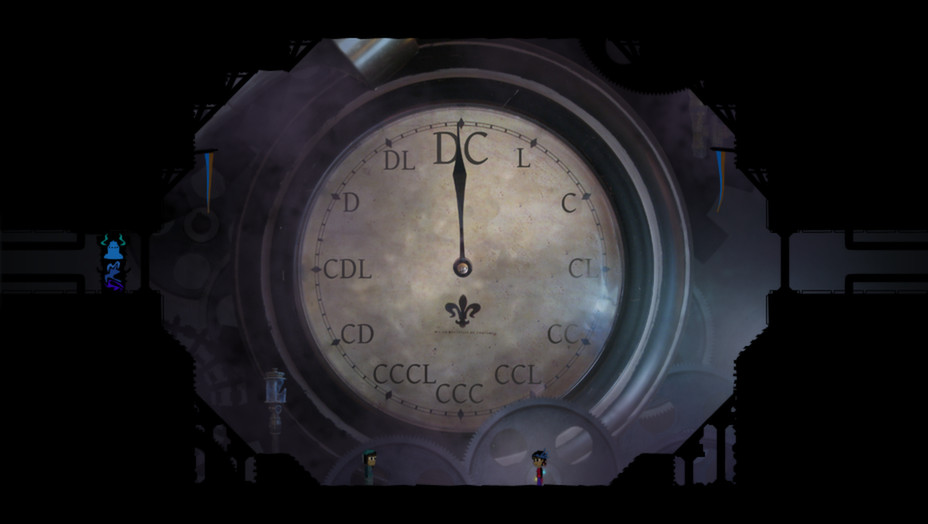
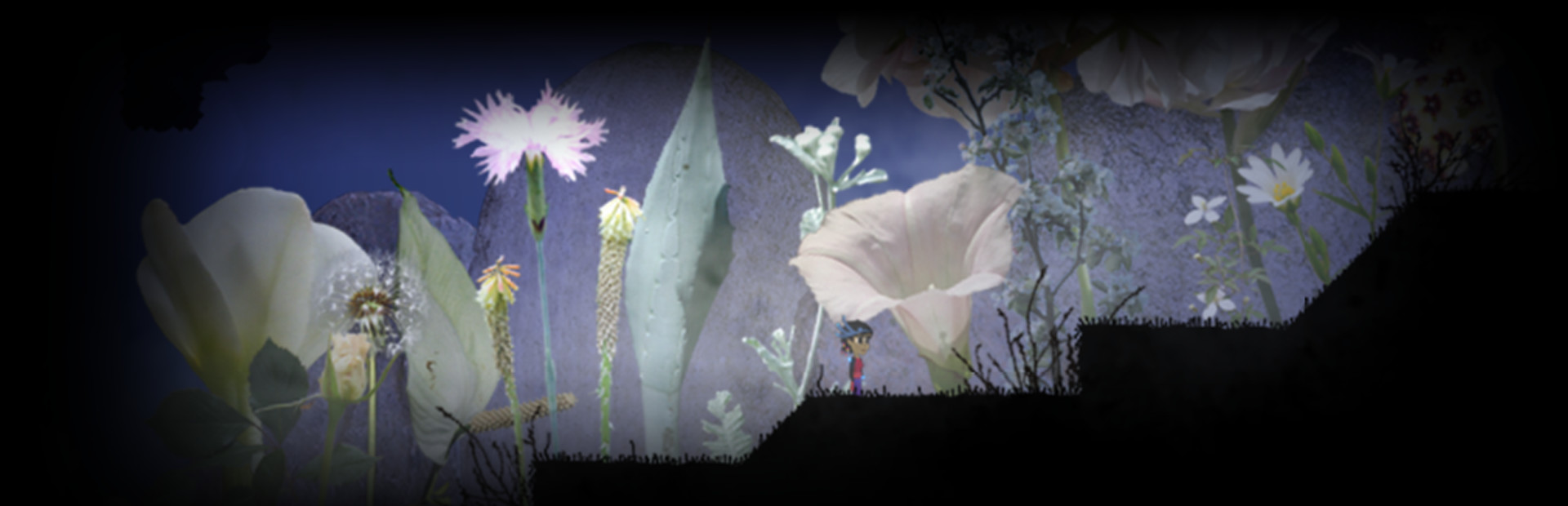
My first instinct when loading Knytt Underground was to slow down - and that instinct, it turns out, is exactly the right posture for everything that follows. Nifflas has always made games that breathe differently from everything around them, and this one, his most ambitious by a wide margin, channels that unhurried frequency into something genuinely strange and generous. The world is a post-apocalyptic underground civilization born from the ruins of humanity. Sprites, fairies, and other tiny creatures have carved out a life in the tunnels, and their society carries its own mythology, its own factions, its own arguments about faith and science. You play as Mi Sprocket, a mute sprite who gets tangled up in a prophecy that may or may not be completely made up, tasked with ringing six bells of fate to prevent a cataclysm. Two companion fairies - one spiritual and warm, one a blunt-talking atheist - argue over everything on her behalf. The premise sounds slight. The world it builds around that premise does not. The structure is three chapters, and the first two are essentially extended tutorials, letting you inhabit each mechanic separately before the game merges them into something more fluid. Chapter one gives you Mi - wall-climbing, light-footed, able to absorb color-coded power-ups from plumes of smoke that grant temporary invisibility, higher jumps, or a short horizontal shot. Chapter two gives you Bob, a sentient bouncing ball whose physics let you cannon off angled surfaces and reach vertical distances Mi cannot. Chapter three hands you both at once, switchable on the fly, and suddenly the world opens up to a degree that early play barely hints at. The satisfaction of mid-air form switching to redirect momentum is one of those small mechanical joys that a certain kind of platformer fan will quietly obsess over. The map spans over 1,800 rooms in total, with secret areas that exist off the in-game chart entirely, and a fast-travel system routed through an alternate dimension called the Disorder that withholds its convenience until you earn it. The cracks are real and worth naming. Backtracking can grind against you - reaching an NPC gate only to discover a missing item means retracing five or six screens of tunnel with no shortcut, and the reward feedback for completing quests is thin enough that progress sometimes feels uncelebrated. The character writing swings between genuinely clever self-aware humor and the kind of dialogue that makes you wonder if a draft was skipped. The story tackles religion versus skepticism with admirable boldness for a small indie platformer, but lands those themes in fits and starts rather than with any sustained coherence. Nifflas himself appears as an NPC and breaks the fourth wall repeatedly, which is either endearing or deflating depending on your tolerance for that sort of thing. What cannot be argued with is the atmosphere. The visual design moves through dozens of distinct biomes - foggy caverns barely lit by fairy glow, bright fungal gardens, dark city corridors of tiny twinkling lights, underground academic districts that suggest a whole civilization doing its best. The soundtrack is a collaborative work drawing on contributions from multiple composers including David Kanaga and Yann Van Der Cruyssen alongside Nifflas himself, and it behaves more like a living environmental layer than a background score. Certain rooms simply sound like a mood you did not know you were missing. For players who measure a game partly by how it treats silence and texture, this is a meaningful thing. This is not a game that insists on itself. It will let you wander into optional quests, ignore half the map, and still reach an ending. It will also reward the player who reads every scrap of lore, hunts the off-map rooms, and figures out the Disorder travel system. That flexibility is both its generosity and, occasionally, its structural looseness. If you want a tightly directed Metroidvania with crisp narrative delivery, look elsewhere. If you want a handcrafted underground world that hums with a particular kind of melancholy wonder, and you have the patience for a slow start that genuinely pays off, this is a rare and underserved corner of the catalog worth sitting with. Kai, Scout Team

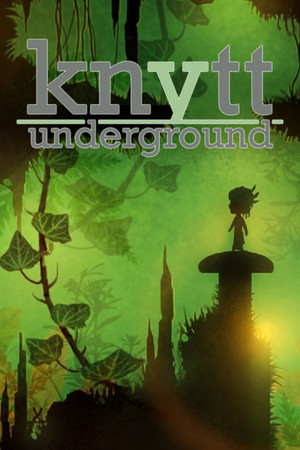
Knytt Underground

Knytt Underground

25 oct 2013Nifflas' GamesRipstone
GamerScout opina

A quietly radical Metroidvania from one of indie's most underappreciated voices - over 1,800 rooms of post-human underground to lose yourself in, if you can keep pace with its odd, sprawling soul.

PCMacLinux
Steam Deck PlayableProtonDB Gold
Mejor precio disponible
€0.00
en N/A
Mínimo histórico: €0.42

Comparar precios(0 tiendas)

Cargando precios...

We may earn a commission when you buy games through links on this page — at no extra cost to you. It never affects our rankings or verdicts.

Historial de precios

Historical low
€0.4222 Jun 2026
Keyshops
€0.41€0.44€0.48€0.517 Jun12 Jun18 Jun23 Jun28 Jun
Tracking prices since 7 Jun 2026
Create alert

Capturas y multimedia

Captura

Acerca de Knytt Underground

My first instinct when loading Knytt Underground was to slow down - and that instinct, it turns out, is exactly the right posture for everything that follows. Nifflas has always made games that breathe differently from everything around them, and this one, his most ambitious by a wide margin, channels that unhurried frequency into something genuinely strange and generous. The world is a post-apocalyptic underground civilization born from the ruins of humanity. Sprites, fairies, and other tiny creatures have carved out a life in the tunnels, and their society carries its own mythology, its own factions, its own arguments about faith and science. You play as Mi Sprocket, a mute sprite who gets tangled up in a prophecy that may or may not be completely made up, tasked with ringing six bells of fate to prevent a cataclysm. Two companion fairies - one spiritual and warm, one a blunt-talking atheist - argue over everything on her behalf. The premise sounds slight. The world it builds around that premise does not. The structure is three chapters, and the first two are essentially extended tutorials, letting you inhabit each mechanic separately before the game merges them into something more fluid. Chapter one gives you Mi - wall-climbing, light-footed, able to absorb color-coded power-ups from plumes of smoke that grant temporary invisibility, higher jumps, or a short horizontal shot. Chapter two gives you Bob, a sentient bouncing ball whose physics let you cannon off angled surfaces and reach vertical distances Mi cannot. Chapter three hands you both at once, switchable on the fly, and suddenly the world opens up to a degree that early play barely hints at. The satisfaction of mid-air form switching to redirect momentum is one of those small mechanical joys that a certain kind of platformer fan will quietly obsess over. The map spans over 1,800 rooms in total, with secret areas that exist off the in-game chart entirely, and a fast-travel system routed through an alternate dimension called the Disorder that withholds its convenience until you earn it. The cracks are real and worth naming. Backtracking can grind against you - reaching an NPC gate only to discover a missing item means retracing five or six screens of tunnel with no shortcut, and the reward feedback for completing quests is thin enough that progress sometimes feels uncelebrated. The character writing swings between genuinely clever self-aware humor and the kind of dialogue that makes you wonder if a draft was skipped. The story tackles religion versus skepticism with admirable boldness for a small indie platformer, but lands those themes in fits and starts rather than with any sustained coherence. Nifflas himself appears as an NPC and breaks the fourth wall repeatedly, which is either endearing or deflating depending on your tolerance for that sort of thing. What cannot be argued with is the atmosphere. The visual design moves through dozens of distinct biomes - foggy caverns barely lit by fairy glow, bright fungal gardens, dark city corridors of tiny twinkling lights, underground academic districts that suggest a whole civilization doing its best. The soundtrack is a collaborative work drawing on contributions from multiple composers including David Kanaga and Yann Van Der Cruyssen alongside Nifflas himself, and it behaves more like a living environmental layer than a background score. Certain rooms simply sound like a mood you did not know you were missing. For players who measure a game partly by how it treats silence and texture, this is a meaningful thing. This is not a game that insists on itself. It will let you wander into optional quests, ignore half the map, and still reach an ending. It will also reward the player who reads every scrap of lore, hunts the off-map rooms, and figures out the Disorder travel system. That flexibility is both its generosity and, occasionally, its structural looseness. If you want a tightly directed Metroidvania with crisp narrative delivery, look elsewhere. If you want a handcrafted underground world that hums with a particular kind of melancholy wonder, and you have the patience for a slow start that genuinely pays off, this is a rare and underserved corner of the catalog worth sitting with.

Kai
Kai · Scout Team

Indie & narrative

Etiquetas

singleplayerachievementstrading-cardscloud-savestier:sub-5MetroidvaniaDual CharacterForm-SwitchingAtmospheric SoundtrackNon-Linear ExplorationFourth-Wall BreakingMultiple EndingsQuest-BasedPost-Apocalyptic

Requisitos del sistema

Mínimos

OS
Windows XP or later
Memory
1 GB RAM
Storage
500 MB available space
Processor
2.0 GHz +

Sigue explorando

Community Discussion

Be the first to comment on Knytt Underground.

Reseñas y valoraciones

No hay valoraciones disponibles

Información del juego

Desarrolladora
Nifflas' Games
Distribuidora
Ripstone
Fecha de lanzamiento
25 oct 2013

Alerta de precio

¡Recibe un aviso cuando el precio baje de tu objetivo!

Crear alerta

Compra mejor: guías útiles

¿Buscas más? Mira juegos como Knytt Underground →

Preguntas frecuentes sobre Knytt Underground

¿Cuánto cuesta Knytt Underground?

El precio de Knytt Underground cambia a menudo y varía según la tienda, la edición y la región. La tabla de precios en vivo de esta página compara las ofertas más baratas en stock de tiendas de claves de confianza como Eneba y Kinguin, para que siempre veas el precio más bajo actual antes de comprar.

¿Dónde puedo comprar Knytt Underground más barato?

Compara los precios de Knytt Underground en todas las tiendas verificadas en la tabla de precios de esta página. Listamos las ofertas de claves y tiendas más baratas en stock, actualizadas con frecuencia, para que siempre veas la mejor oferta actual antes de comprar.

¿En qué plataformas está disponible Knytt Underground?

Knytt Underground está disponible en PC, Mac, Linux.

¿Cuándo se lanzó Knytt Underground?

Knytt Underground se lanzó el 25 de octubre de 2013.

¿Quién desarrolló Knytt Underground?

Knytt Underground fue desarrollado por Nifflas' Games y publicado por Ripstone.