Compara los precios de Kabaret en tiendas de claves de confianza y encuentra la mejor oferta. Desarrollado por Persona Theory Games. Publicado por Persona Theory Games. Lanzado el 4/4/2023. Disponible en PC. Géneros: Adventure, Casual, Indie.

Few narrative games hand you a mythology this untouched by Western game design. Kabaret is worth your time precisely because nobody else is making anything like it, rough edges and all.

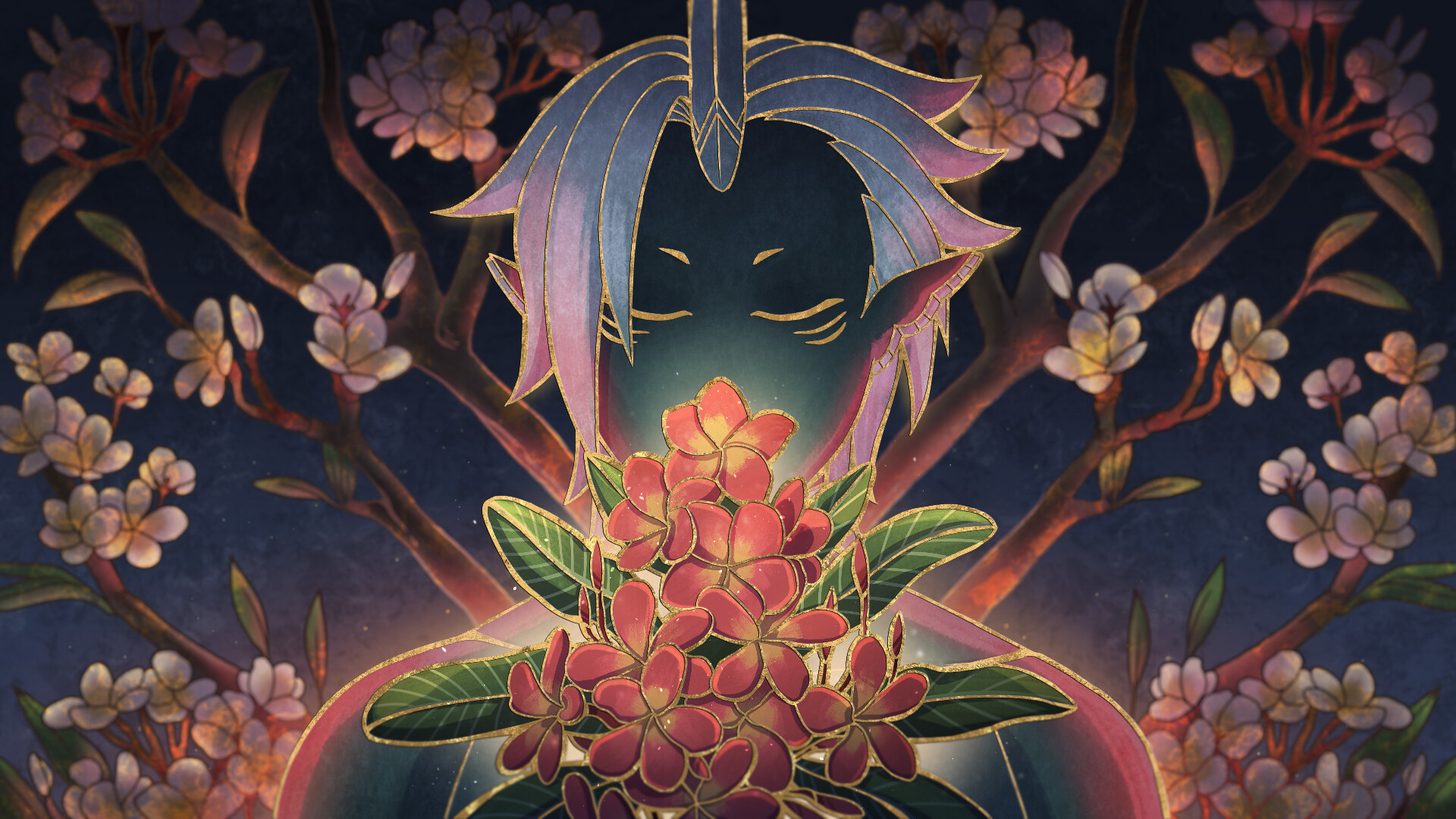
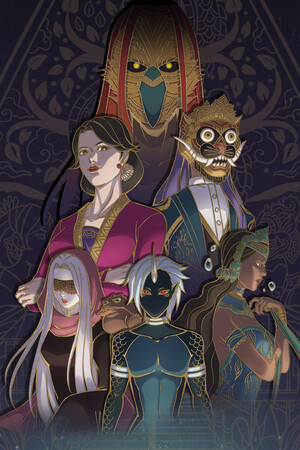
I kept circling back to Kabaret because I couldn't shake the feeling that I'd wandered into something genuinely rare. Malaysian studio Persona Theory Games built a dark folklore visual novel around monsters that most PC players have never heard of, and the confidence in that choice radiates through every scene. You play as Jebat, a deeply flawed former food delivery driver who finds himself cursed and pulled into the Alam Bunian, a hidden monster realm, with thirty nights to break that curse before he loses what little humanity he has left. The Caretaker installs him as the resident tea master, which is both a survival mechanism and the game's central conceit. Brew the wrong tea, miss a social read, fail to understand what a monstrous patron actually needs, and the political consequences ripple outward. The mini-games are what lift Kabaret above a straight visual novel, and I mean that genuinely. The tea ceremony requires you to parse vague ingredient descriptions and match mood to brew, a lovely low-stakes puzzle with real narrative stakes. Congkak, the traditional seed-collection board game, is surprisingly thoughtful once the rules click. Guli, the marble-knocking game, is the breeziest of the bunch and lands its pacing beats at the right moments. The standout, though, is the stage management sequence where you run lighting, smoke, and pyrotechnics for the Iban snake-monster Nabau while Sambasunda Indonesia's live gamelan and world-music score swells underneath. That sequence alone is the kind of handcrafted moment I look for in small games. The soundtrack overall, mixing pentatonic chimes and woodwind with unexpected lurches into jazz and metal, is doing serious atmospheric work. The art direction is where Persona Theory's research investment shows most clearly. Character designs carry the gold-outlined geometry of batik textile tradition, and the colour palette of deep blues and purples punctuated by warm brazier light gives the Kabaret a genuinely oppressive beauty. The five-chapter structure builds the world carefully: the early chapters are the most kinetic, with mini-games and monster encounters stacked close together. Chapter four is where momentum stalls. It runs long, leans heavily on dialogue without much playable punctuation, and reviewers across the board noticed the drag. If you commit to the slow burn, the final chapter's multi-ending election of a new Kabaret owner pays out in a way that rewards the choices you thought were throwaway. Where the game stumbles is a combination of craft-level inconsistencies and a dialogue system that doesn't always telegraph its consequences clearly. Sprite mirroring is occasionally jarring in a game where visual detail matters. Dialogue choices can send Jebat in directions that feel disconnected from the options you thought you were selecting. The Steam review count is thin and mixed at launch, which honestly reflects a game that is divisive rather than bad. Southeast Asian players report something close to recognition; players outside the region may find the lore density rewarding or overwhelming depending on their appetite for a built-in glossary. The content warnings are not decorative: violence, self-harm, and depictions of suicide are present and handled with weight, not shock value. For the right player, this is the kind of small game that stays with you because nothing on Steam sounds like it, looks like it, or carries its particular regional conscience. Go in expecting a slow, dark, lore-heavy visual novel with a handful of genuinely clever interactive breaks, and you will find something worth the hours. Kai, Scout Team

Kabaret

Kabaret

4 abr 2023Persona Theory Games
GamerScout opina

Few narrative games hand you a mythology this untouched by Western game design. Kabaret is worth your time precisely because nobody else is making anything like it, rough edges and all.

PC
Steam Deck Verified
Mejor precio disponible
€0.00
en N/A
Mínimo histórico: €2.64

Comparar precios(0 tiendas)

Cargando precios...

We may earn a commission when you buy games through links on this page — at no extra cost to you. It never affects our rankings or verdicts.

Historial de precios

Historical low
€2.646 Jun 2026
Keyshops
€2.47€2.61€2.76€2.906 Jun12 Jun17 Jun23 Jun28 Jun
Tracking prices since 6 Jun 2026
Create alert

Capturas y multimedia

Captura

Acerca de Kabaret

I kept circling back to Kabaret because I couldn't shake the feeling that I'd wandered into something genuinely rare. Malaysian studio Persona Theory Games built a dark folklore visual novel around monsters that most PC players have never heard of, and the confidence in that choice radiates through every scene. You play as Jebat, a deeply flawed former food delivery driver who finds himself cursed and pulled into the Alam Bunian, a hidden monster realm, with thirty nights to break that curse before he loses what little humanity he has left. The Caretaker installs him as the resident tea master, which is both a survival mechanism and the game's central conceit. Brew the wrong tea, miss a social read, fail to understand what a monstrous patron actually needs, and the political consequences ripple outward. The mini-games are what lift Kabaret above a straight visual novel, and I mean that genuinely. The tea ceremony requires you to parse vague ingredient descriptions and match mood to brew, a lovely low-stakes puzzle with real narrative stakes. Congkak, the traditional seed-collection board game, is surprisingly thoughtful once the rules click. Guli, the marble-knocking game, is the breeziest of the bunch and lands its pacing beats at the right moments. The standout, though, is the stage management sequence where you run lighting, smoke, and pyrotechnics for the Iban snake-monster Nabau while Sambasunda Indonesia's live gamelan and world-music score swells underneath. That sequence alone is the kind of handcrafted moment I look for in small games. The soundtrack overall, mixing pentatonic chimes and woodwind with unexpected lurches into jazz and metal, is doing serious atmospheric work. The art direction is where Persona Theory's research investment shows most clearly. Character designs carry the gold-outlined geometry of batik textile tradition, and the colour palette of deep blues and purples punctuated by warm brazier light gives the Kabaret a genuinely oppressive beauty. The five-chapter structure builds the world carefully: the early chapters are the most kinetic, with mini-games and monster encounters stacked close together. Chapter four is where momentum stalls. It runs long, leans heavily on dialogue without much playable punctuation, and reviewers across the board noticed the drag. If you commit to the slow burn, the final chapter's multi-ending election of a new Kabaret owner pays out in a way that rewards the choices you thought were throwaway. Where the game stumbles is a combination of craft-level inconsistencies and a dialogue system that doesn't always telegraph its consequences clearly. Sprite mirroring is occasionally jarring in a game where visual detail matters. Dialogue choices can send Jebat in directions that feel disconnected from the options you thought you were selecting. The Steam review count is thin and mixed at launch, which honestly reflects a game that is divisive rather than bad. Southeast Asian players report something close to recognition; players outside the region may find the lore density rewarding or overwhelming depending on their appetite for a built-in glossary. The content warnings are not decorative: violence, self-harm, and depictions of suicide are present and handled with weight, not shock value. For the right player, this is the kind of small game that stays with you because nothing on Steam sounds like it, looks like it, or carries its particular regional conscience. Go in expecting a slow, dark, lore-heavy visual novel with a handful of genuinely clever interactive breaks, and you will find something worth the hours.

Kai
Kai · Scout Team

Indie & narrative

Etiquetas

singleplayertier:sub-5Southeast Asian FolkloreTea Ceremony MechanicsMultiple EndingsDark ThemesMini-game DrivenCultural Lore-RichGamelan SoundtrackMorally Ambiguous Protagonist

Requisitos del sistema

Mínimos

OS
Windows 7 SP1+
Memory
4 GB RAM
DirectX
Version 9.0c
Storage
5 GB available space
Graphics
512 MB display memory
Processor
2.4Ghz or faster processor
Sound Card
Stereo

Sigue explorando

Community Discussion

Be the first to comment on Kabaret.

Reseñas y valoraciones

No hay valoraciones disponibles

Información del juego

Desarrolladora
Persona Theory Games
Distribuidora
Persona Theory Games
Fecha de lanzamiento
4 abr 2023

Alerta de precio

¡Recibe un aviso cuando el precio baje de tu objetivo!

Crear alerta

Compra mejor: guías útiles

Preguntas frecuentes sobre Kabaret

¿Cuánto cuesta Kabaret?

El precio de Kabaret cambia a menudo y varía según la tienda, la edición y la región. La tabla de precios en vivo de esta página compara las ofertas más baratas en stock de tiendas de claves de confianza como Eneba y Kinguin, para que siempre veas el precio más bajo actual antes de comprar.

¿Dónde puedo comprar Kabaret más barato?

Compara los precios de Kabaret en todas las tiendas verificadas en la tabla de precios de esta página. Listamos las ofertas de claves y tiendas más baratas en stock, actualizadas con frecuencia, para que siempre veas la mejor oferta actual antes de comprar.

¿En qué plataformas está disponible Kabaret?

Kabaret está disponible en PC.

¿Cuándo se lanzó Kabaret?

Kabaret se lanzó el 4 de abril de 2023.

¿Quién desarrolló Kabaret?

Kabaret fue desarrollado por Persona Theory Games.