
Compara los precios de Journey to the West en tiendas de claves de confianza y encuentra la mejor oferta. Desarrollado por Z Studio. Publicado por Z Studio. Lanzado el 28/6/2023. Disponible en PC, Mac. Géneros: Adventure, Indie, RPG, Strategy, Free To Play.

Five heroes, 500-plus cards, and a mythology deep enough to drown a spreadsheet: this free-to-play deckbuilder earns its 'Mostly Positive' badge but has rough edges that genre veterans will feel immediately.

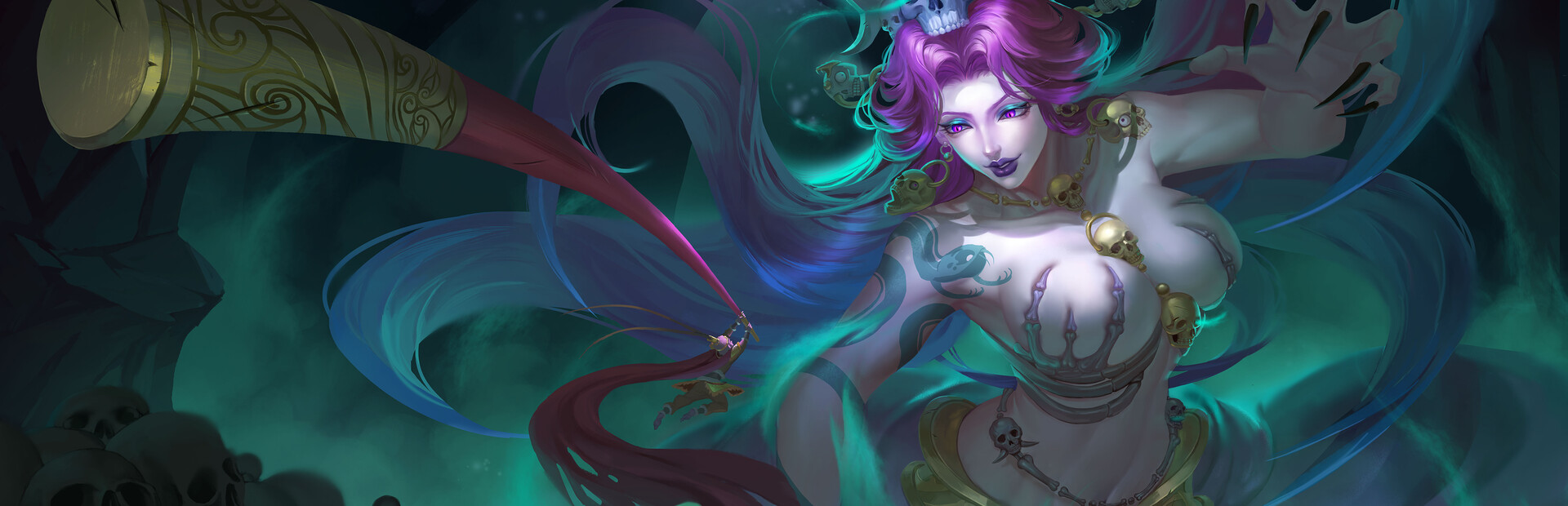
I've spent enough time with roguelike deckbuilders to know when one is genuinely doing something different versus just reskinning the Slay the Spire formula with a new coat of paint. Journey to the West lands somewhere between those two poles, and knowing which side you sit on matters a lot before you click install. The setup is a turn-based card-combat roguelite rooted in classic Chinese mythology. You pick from five heroes, each with a distinct pool of 75 cards and their own storyline. Wukong, the default free character, plays around AOE attacks, shapeshifting to steal NPC skills, and stacking buffs until enemies evaporate in a cloud of big red numbers. The other four, including the Holy Monk (an NPC-summoning specialist), the White Dragon, the Swine King, and the Faithful Devil, are locked behind a paid unlock. The companion system is the standout mechanical idea here: permanent teammates bring their own 2-4 card sets into your deck across multiple combats, while temporary NPC recruits can be captured with consumables like the Bottomless Bag or charmed over with the Love Potion. Managing that tension between your core deck identity and the cards companions inject is where the real strategic thinking happens. Add a pool of 300-plus relics and energy-free consumables as a pressure valve, and the decision space feels genuinely wide. The numbers are mostly encouraging. The game sits at around 80 percent positive across roughly 1,500 Steam reviews, and the four-chapter adventure with 60 different endings gives replayability a concrete backbone rather than just procedural noise. The artwork fuses traditional Chinese ink-painting style with modern cartoon rendering, and the soundtrack has been specifically called out by reviewers as a genuine high point, the kind of music that makes a three-hour run feel shorter than it is. That said, the criticism worth taking seriously is about difficulty tuning and UI quality. Genre veterans have noted that default difficulty skews easy, with build synergies around bleed stacks and energy scaling capable of steamrolling encounters before the late game applies real pressure. Unlocking harder difficulty tiers requires grinding, which front-loads the experience with lower-stakes runs. The UI is cluttered and has been charitably described as functional at best. Card text in English has accuracy issues, and some cards have enemy-specific interactions that the game does not communicate before you play them, which is a design choice that will frustrate anyone who likes to plan ahead. Higher difficulties demand serious arithmetic per turn without necessarily rewarding that mental load with tighter decision windows. For newcomers to the genre, though, this is actually a reasonable entry point. The synergy chains are readable once you understand the energy cap structure, enemy intentions are telegraphed before each turn, and the companion system gives you a sense of team-building that pure solo deckbuilders skip entirely. The free-to-play base with Wukong gives you a proper sample before committing. The Steam Workshop integration also suggests at least some mod infrastructure for anyone who wants to push the content ceiling after the main four chapters. Two DLC packs, Blade Souls and Dark Invasion, have since added new NPCs, mechanics, and story material for players who exhaust the base game. Diego, Scout Team

Journey to the West

Journey to the West

28 jun 2023Z Studio
GamerScout opina

Five heroes, 500-plus cards, and a mythology deep enough to drown a spreadsheet: this free-to-play deckbuilder earns its 'Mostly Positive' badge but has rough edges that genre veterans will feel immediately.

PCMac
Mejor precio disponible
€0.00
en N/A
Mínimo histórico: €21.53

Comparar precios(0 tiendas)

Cargando precios...

We may earn a commission when you buy games through links on this page — at no extra cost to you. It never affects our rankings or verdicts.

Historial de precios

Historical low
€21.538 Jun 2026
Keyshops
€19.81€20.96€22.10€23.258 Jun13 Jun18 Jun23 Jun28 Jun
Tracking prices since 8 Jun 2026
Create alert

Capturas y multimedia

Acerca de Journey to the West

I've spent enough time with roguelike deckbuilders to know when one is genuinely doing something different versus just reskinning the Slay the Spire formula with a new coat of paint. Journey to the West lands somewhere between those two poles, and knowing which side you sit on matters a lot before you click install. The setup is a turn-based card-combat roguelite rooted in classic Chinese mythology. You pick from five heroes, each with a distinct pool of 75 cards and their own storyline. Wukong, the default free character, plays around AOE attacks, shapeshifting to steal NPC skills, and stacking buffs until enemies evaporate in a cloud of big red numbers. The other four, including the Holy Monk (an NPC-summoning specialist), the White Dragon, the Swine King, and the Faithful Devil, are locked behind a paid unlock. The companion system is the standout mechanical idea here: permanent teammates bring their own 2-4 card sets into your deck across multiple combats, while temporary NPC recruits can be captured with consumables like the Bottomless Bag or charmed over with the Love Potion. Managing that tension between your core deck identity and the cards companions inject is where the real strategic thinking happens. Add a pool of 300-plus relics and energy-free consumables as a pressure valve, and the decision space feels genuinely wide. The numbers are mostly encouraging. The game sits at around 80 percent positive across roughly 1,500 Steam reviews, and the four-chapter adventure with 60 different endings gives replayability a concrete backbone rather than just procedural noise. The artwork fuses traditional Chinese ink-painting style with modern cartoon rendering, and the soundtrack has been specifically called out by reviewers as a genuine high point, the kind of music that makes a three-hour run feel shorter than it is. That said, the criticism worth taking seriously is about difficulty tuning and UI quality. Genre veterans have noted that default difficulty skews easy, with build synergies around bleed stacks and energy scaling capable of steamrolling encounters before the late game applies real pressure. Unlocking harder difficulty tiers requires grinding, which front-loads the experience with lower-stakes runs. The UI is cluttered and has been charitably described as functional at best. Card text in English has accuracy issues, and some cards have enemy-specific interactions that the game does not communicate before you play them, which is a design choice that will frustrate anyone who likes to plan ahead. Higher difficulties demand serious arithmetic per turn without necessarily rewarding that mental load with tighter decision windows. For newcomers to the genre, though, this is actually a reasonable entry point. The synergy chains are readable once you understand the energy cap structure, enemy intentions are telegraphed before each turn, and the companion system gives you a sense of team-building that pure solo deckbuilders skip entirely. The free-to-play base with Wukong gives you a proper sample before committing. The Steam Workshop integration also suggests at least some mod infrastructure for anyone who wants to push the content ceiling after the main four chapters. Two DLC packs, Blade Souls and Dark Invasion, have since added new NPCs, mechanics, and story material for players who exhaust the base game.

Diego
Diego · Scout Team

Strategy & simulation

Etiquetas

singleplayerachievementsworkshopcloud-savestier:aaaCompanion RecruitmentEnergy ManagementMultiple EndingsDifficulty GatingChinese MythologyNPC CaptureBuff StackingInk-Art StyleFree-to-Play BaseDLC Expansion

Requisitos del sistema

Mínimos

OS
Windows 7, 8/8.1, 10
Memory
2 GB RAM
Storage
4 GB available space
Graphics
DirectX 10 or OpenGL 4.0 compatible or above
Processor
2 GHz or above

Recomendados

OS
Windows 7, 8/8.1, 10
Memory
4 GB RAM
Storage
6 GB available space
Graphics
DirectX 11 or OpenGL 4.1 compatible or above
Processor
3 GHz or above

Sigue explorando

Community Discussion

Be the first to comment on Journey to the West.

Reseñas y valoraciones

No hay valoraciones disponibles

Información del juego

Desarrolladora
Z Studio
Distribuidora
Z Studio
Fecha de lanzamiento
28 jun 2023

Alerta de precio

¡Recibe un aviso cuando el precio baje de tu objetivo!

Crear alerta

Compra mejor: guías útiles

¿Buscas más? Mira juegos como Journey to the West →

Preguntas frecuentes sobre Journey to the West

¿Cuánto cuesta Journey to the West?

El precio de Journey to the West cambia a menudo y varía según la tienda, la edición y la región. La tabla de precios en vivo de esta página compara las ofertas más baratas en stock de tiendas de claves de confianza como Eneba y Kinguin, para que siempre veas el precio más bajo actual antes de comprar.

¿Dónde puedo comprar Journey to the West más barato?

Compara los precios de Journey to the West en todas las tiendas verificadas en la tabla de precios de esta página. Listamos las ofertas de claves y tiendas más baratas en stock, actualizadas con frecuencia, para que siempre veas la mejor oferta actual antes de comprar.

¿En qué plataformas está disponible Journey to the West?

Journey to the West está disponible en PC, Mac.

¿Cuándo se lanzó Journey to the West?

Journey to the West se lanzó el 28 de junio de 2023.

¿Quién desarrolló Journey to the West?

Journey to the West fue desarrollado por Z Studio.