Compara los precios de Galactic Civilizations® II: Ultimate Edition en tiendas de claves de confianza y encuentra la mejor oferta. Desarrollado por Stardock Entertainment. Publicado por Stardock Entertainment. Lanzado el 2/12/2011. Disponible en PC. Géneros: Indie, Strategy. Puntuación Metacritic: 92/100.

Three full campaigns worth of turn-based galactic conquest in one package, with AI that punishes lazy fleet builds and a ship editor deep enough to lose an afternoon in before the first war even starts.

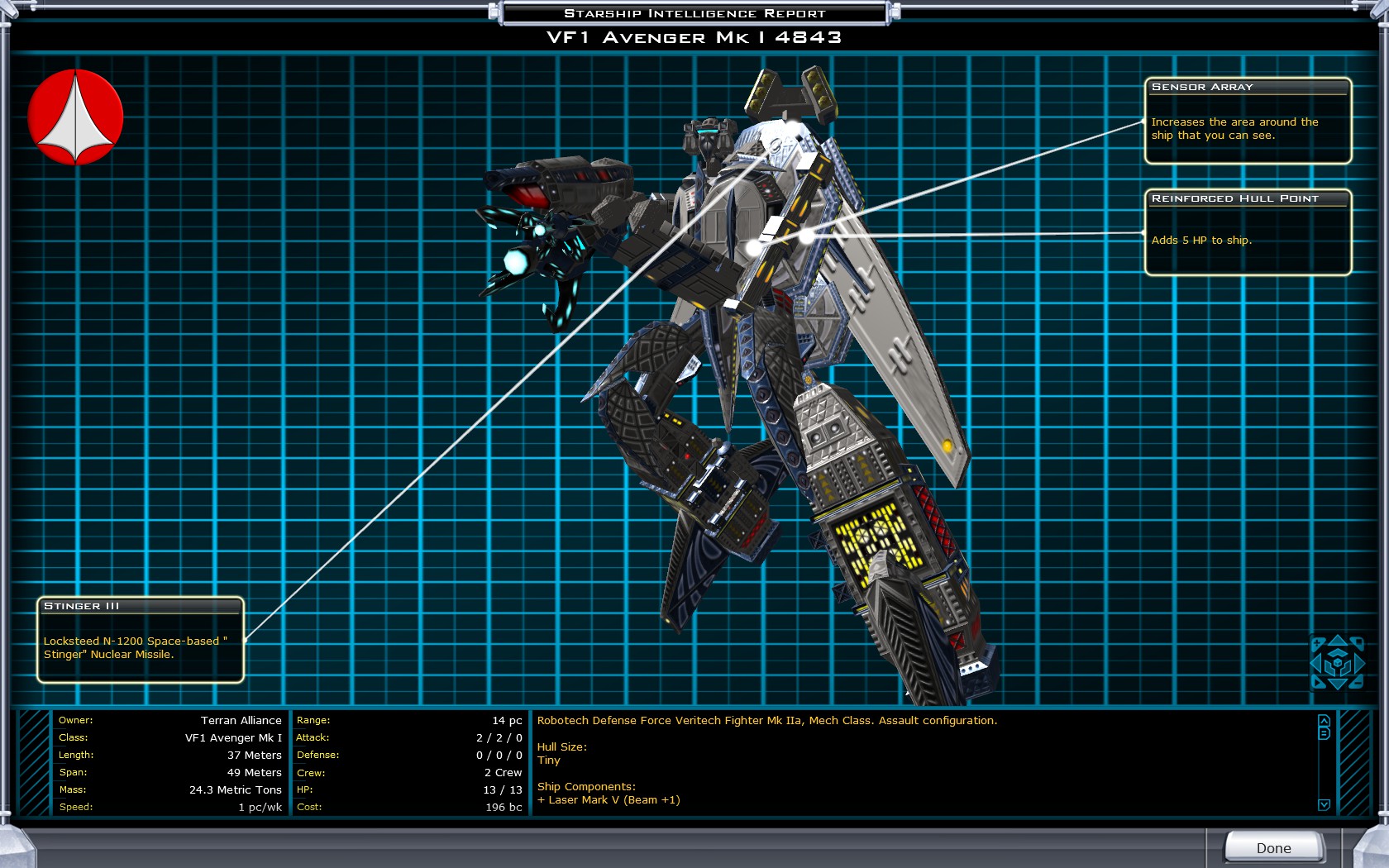
I keep a spreadsheet tracking every 4X space game I have finished, and Galactic Civilizations II sits near the top for sheer hours-per-dollar, even accounting for its age. The Ultimate Edition bundles the base game Dread Lords, the Dark Avatar expansion, and Twilight of the Arnor into one install, and each layer adds enough mechanical weight that treating them as separate games is not unreasonable. The progression from Dread Lords through Twilight is where the whole experience makes sense: Twilight adds per-civilization tech trees, the Terror Star superweapon, map and campaign editors, and a reworked scenario toolkit. Going backwards to vanilla after touching Twilight genuinely hurts. The decision-making depth is the reason this game aged as well as it has. You are managing planetary improvement tiles, choosing between manufacturing, research, influence, morale, and economic buildings on a per-colony basis with a hard cap on slots. Four types of starbases, military, economic, influence, and mining, extend your reach into contested space and each one is a resource commitment with a strategic payoff you feel several turns later. Victory conditions span military conquest, cultural domination, political alliance, technological supremacy, and a fifth ascension path, so the mid-game routing is genuinely different depending on which win condition you are optimizing for. That is meaningful replayability, not just labelled buttons. The ship designer is where I recommend new players spend serious time before launching their first campaign. Hull classes range from tiny to huge, and every component, whether beam weapons, missiles, or mass drivers, takes up physical space on the hull. The AI at higher difficulty settings actively reads your fleet composition and tailors its own ships to counter it, so a pure beam-weapon build will eventually run into shielded defenders, and a mass driver fleet faces armored opposition. That counter-design loop is the single best argument for learning the ship editor properly rather than just spamming the auto-fill button. The AI runs 12 intelligence tiers, with full capability kicking in at level seven, and the higher brackets push back hard enough to demand build-order awareness from turn one. Combat is auto-resolved and watchable but not player-directed, which is the most common complaint from RTS-adjacent players. If you need to command individual ships in real time, this is not the game for that. The UI is where honesty is required. Right-clicking a tech to read its downstream effects instead of hovering, a color scheme in the research screen that veteran users describe as confusing, and an early-game information density that assumes you are already comfortable with the genre: these are real friction points. The tutorial is minimal by modern standards, and the game does not hold your hand through planet governor setup or starbase placement logic. However, the modding architecture is XML-based and well-documented, meaning the community has produced guides, balance patches, and custom civilizations that smooth a lot of this over. The game is also moddable without technical expertise: tech trees, component values, and AI weights are all editable in a text editor, which gives the mod ecosystem an unusually long tail for a title of this age. For a strategy player who has cleared Civ 5 on Emperor or finished a Stellaris run, the complexity here is absolutely approachable with two to three hours of setup reading. The payoff is a campaign that can stretch to 150 turns on a large map with no two games playing the same way, given the randomized galaxy sizes, civilization personality systems, and the United Planets council that occasionally detonates your diplomatic standing at the worst possible time. The lack of multiplayer is a structural limitation, not an oversight, and Stardock leaned into the AI budget instead. For solo 4X players, that trade holds up. Diego, Scout Team

Galactic Civilizations® II: Ultimate Edition

Galactic Civilizations® II: Ultimate Edition

2 dic 2011Stardock Entertainment
GamerScout opina

Three full campaigns worth of turn-based galactic conquest in one package, with AI that punishes lazy fleet builds and a ship editor deep enough to lose an afternoon in before the first war even starts.

PC
Steam Deck UnsupportedProtonDB Platinum
Mejor precio disponible
€0.00
en N/A
Mínimo histórico: €0.46

Comparar precios(0 tiendas)

Cargando precios...

We may earn a commission when you buy games through links on this page — at no extra cost to you. It never affects our rankings or verdicts.

Historial de precios

Historical low
€0.4610 Jun 2026
Keyshops
€0.42€0.45€0.47€0.5010 Jun15 Jun19 Jun24 Jun28 Jun
Tracking prices since 10 Jun 2026
Create alert

Capturas y multimedia

Captura

Acerca de Galactic Civilizations® II: Ultimate Edition

I keep a spreadsheet tracking every 4X space game I have finished, and Galactic Civilizations II sits near the top for sheer hours-per-dollar, even accounting for its age. The Ultimate Edition bundles the base game Dread Lords, the Dark Avatar expansion, and Twilight of the Arnor into one install, and each layer adds enough mechanical weight that treating them as separate games is not unreasonable. The progression from Dread Lords through Twilight is where the whole experience makes sense: Twilight adds per-civilization tech trees, the Terror Star superweapon, map and campaign editors, and a reworked scenario toolkit. Going backwards to vanilla after touching Twilight genuinely hurts. The decision-making depth is the reason this game aged as well as it has. You are managing planetary improvement tiles, choosing between manufacturing, research, influence, morale, and economic buildings on a per-colony basis with a hard cap on slots. Four types of starbases, military, economic, influence, and mining, extend your reach into contested space and each one is a resource commitment with a strategic payoff you feel several turns later. Victory conditions span military conquest, cultural domination, political alliance, technological supremacy, and a fifth ascension path, so the mid-game routing is genuinely different depending on which win condition you are optimizing for. That is meaningful replayability, not just labelled buttons. The ship designer is where I recommend new players spend serious time before launching their first campaign. Hull classes range from tiny to huge, and every component, whether beam weapons, missiles, or mass drivers, takes up physical space on the hull. The AI at higher difficulty settings actively reads your fleet composition and tailors its own ships to counter it, so a pure beam-weapon build will eventually run into shielded defenders, and a mass driver fleet faces armored opposition. That counter-design loop is the single best argument for learning the ship editor properly rather than just spamming the auto-fill button. The AI runs 12 intelligence tiers, with full capability kicking in at level seven, and the higher brackets push back hard enough to demand build-order awareness from turn one. Combat is auto-resolved and watchable but not player-directed, which is the most common complaint from RTS-adjacent players. If you need to command individual ships in real time, this is not the game for that. The UI is where honesty is required. Right-clicking a tech to read its downstream effects instead of hovering, a color scheme in the research screen that veteran users describe as confusing, and an early-game information density that assumes you are already comfortable with the genre: these are real friction points. The tutorial is minimal by modern standards, and the game does not hold your hand through planet governor setup or starbase placement logic. However, the modding architecture is XML-based and well-documented, meaning the community has produced guides, balance patches, and custom civilizations that smooth a lot of this over. The game is also moddable without technical expertise: tech trees, component values, and AI weights are all editable in a text editor, which gives the mod ecosystem an unusually long tail for a title of this age. For a strategy player who has cleared Civ 5 on Emperor or finished a Stellaris run, the complexity here is absolutely approachable with two to three hours of setup reading. The payoff is a campaign that can stretch to 150 turns on a large map with no two games playing the same way, given the randomized galaxy sizes, civilization personality systems, and the United Planets council that occasionally detonates your diplomatic standing at the worst possible time. The lack of multiplayer is a structural limitation, not an oversight, and Stardock leaned into the AI budget instead. For solo 4X players, that trade holds up.

Diego
Diego · Scout Team

Strategy & simulation

Etiquetas

singleplayertier:aaa4XTurn-Based StrategyShip DesignerPer-Civ Tech TreesAI Counter-BuildStarbase StrategyMultiple Victory PathsXML ModdingSolo OnlyGalaxy Scale

Requisitos del sistema

Mínimos

Sound
DirectX® 9.0c Compatible Sound Card
Video
64 MB DirectX 9.0c Compatible Video Card
Memory
512 MB (1 GB for Windows 7 / Vista)
DirectX®
DirectX® 9.0c
Processor
Intel® Pentium® III 1 GHz (or AMD equivalent)
Hard disk space
2 GB
Operating system
Windows® XP SP3 / Vista™ SP2 / Windows® 7 / 8.1 / 10
Other Requirements
Broadband Internet connection, also to activate this game you must create a Stardock account while launching the game on Steam.

Sigue explorando

Community Discussion

Be the first to comment on Galactic Civilizations® II: Ultimate Edition.

Reseñas y valoraciones

Metacritic
92

Información del juego

Desarrolladora
Stardock Entertainment
Distribuidora
Stardock Entertainment
Fecha de lanzamiento
2 dic 2011

Alerta de precio

¡Recibe un aviso cuando el precio baje de tu objetivo!

Crear alerta

Más de Stardock Entertainment

Compra mejor: guías útiles

¿Buscas más? Mira juegos como Galactic Civilizations® II: Ultimate Edition →

Preguntas frecuentes sobre Galactic Civilizations® II: Ultimate Edition

¿Cuánto cuesta Galactic Civilizations® II: Ultimate Edition?

El precio de Galactic Civilizations® II: Ultimate Edition cambia a menudo y varía según la tienda, la edición y la región. La tabla de precios en vivo de esta página compara las ofertas más baratas en stock de tiendas de claves de confianza como Eneba y Kinguin, para que siempre veas el precio más bajo actual antes de comprar.

¿Dónde puedo comprar Galactic Civilizations® II: Ultimate Edition más barato?

Compara los precios de Galactic Civilizations® II: Ultimate Edition en todas las tiendas verificadas en la tabla de precios de esta página. Listamos las ofertas de claves y tiendas más baratas en stock, actualizadas con frecuencia, para que siempre veas la mejor oferta actual antes de comprar.

¿En qué plataformas está disponible Galactic Civilizations® II: Ultimate Edition?

Galactic Civilizations® II: Ultimate Edition está disponible en PC.

¿Cuándo se lanzó Galactic Civilizations® II: Ultimate Edition?

Galactic Civilizations® II: Ultimate Edition se lanzó el 2 de diciembre de 2011.

¿Quién desarrolló Galactic Civilizations® II: Ultimate Edition?

Galactic Civilizations® II: Ultimate Edition fue desarrollado por Stardock Entertainment.

¿Merece la pena comprar Galactic Civilizations® II: Ultimate Edition?

Galactic Civilizations® II: Ultimate Edition tiene una puntuación Metacritic de 92/100, lo que lo convierte en uno de los títulos destacados de Indie. Mira las reseñas completas, las valoraciones y los tiempos de duración en esta página para decidir.