Compara los precios de Forgotten 23 en tiendas de claves de confianza y encuentra la mejor oferta. Desarrollado por KovalGames. Publicado por indie.io. Lanzado el 18/7/2025. Disponible en PC, Mac. Géneros: Adventure, Indie.

One solo developer, one crumbling space station, 23 minutes on the clock, and a mystery that shifts its shape every time you die. If obscure sci-fi dread is your thing, pay attention.

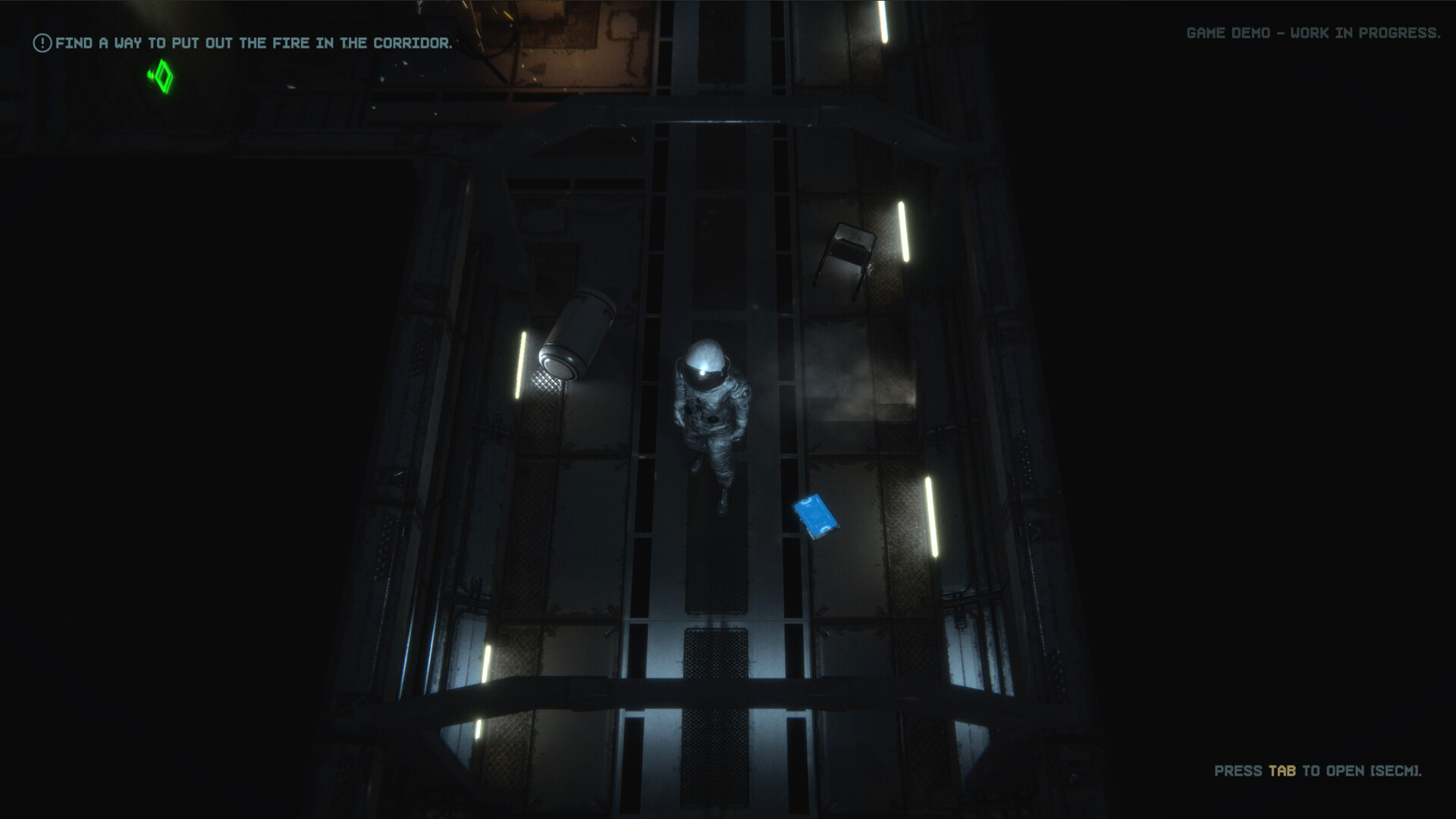
I have a soft spot for games built by a single person who clearly had something to prove, and Forgotten 23 wears that ambition plainly. Lucas S. Kowal of KovalGames handled writing, programming, 3D modeling, and sound design himself, with only his daughter lending a hand on concept art. That context matters when you load in, because the handcraft is visible in every corridor. This is a top-down sci-fi puzzle adventure set aboard the Forgotten, a research station in decaying orbit above Proxima Centauri b, and you have precisely 23 minutes per loop to stop it from crashing into the planet surface below. What keeps it from being a simple countdown gimmick is how the station refuses to stay the same. Corridors reconfigure, engineering modules develop new faults, and systems that responded one way in your last loop may behave entirely differently now. Your only permanent resource is knowledge, everything else resets. A run will ask you to patch conduits to restore power in the early going, then layer on multi-step objectives later: rerouting the power grid, repairing broken robots, managing corrosive atmospheric leaks that threaten to eat through your suit, and interrogating Luna, the station AI whose helpfulness is never quite trustworthy. Luna is one of the more quietly unsettling companions in recent indie memory, a presence that feels both indispensable and subtly wrong. The game draws its philosophical DNA from Polish speculative fiction, particularly the tradition of Stanislaw Lem, which means you will not find clear villains or tidy answers. The horror here is intellectual rather than physical, the dread of systems that stop making sense and a narrative that fractures deliberately. The puzzle design is where the game earns its audience and loses others simultaneously. Getting a choice wrong during a repair mini-game wastes precious real-time minutes, and the clock has no patience for confusion. Some players will find the obscurity deeply rewarding, the kind where the solution clicks after three failed loops and feels genuinely earned. Others, especially those with less tolerance for opaque environmental logic, may start to feel the repetition before the story unlocks its better secrets. Early community feedback is cautiously warm, and the small sample of Steam user reviews skews positive, but this is clearly a game that asks something of you before it gives anything back. The atmosphere is where Forgotten 23 earns the most unconditional praise. The sound design carries the weight of the setting in ways the modest budget cannot always cover visually. Eerie silences punctuated by station groans and corrupted audio logs give the place a texture that sticks around after you close the client. Crew logs, scattered throughout the station, sketch out the eight missing researchers with enough specificity that their absence starts to feel genuinely sad. Multiple endings are present, meaning your accumulated understanding of the station actually shapes the conclusion rather than just unlocking a cutscene. Forgotten 23 is the kind of small game that rewards patience and punishes impatience in equal measure. If you bounced off Outer Wilds because you wanted more tactile systems, or you loved Return of the Obra Dinn but wished it had physical puzzle-solving on top of the deduction, this sits at an interesting crossroads between both. It is rough in spots, the UI can disorient during mid-loop module shifts, and the difficulty curve is steep enough that some puzzles feel withholding rather than challenging. But the soul of the thing is genuine, and solo-developed games this conceptually ambitious deserve the chance to find their audience. Kai, Scout Team

Forgotten 23

Forgotten 23

18 jul 2025KovalGamesindie.io
GamerScout opina

One solo developer, one crumbling space station, 23 minutes on the clock, and a mystery that shifts its shape every time you die. If obscure sci-fi dread is your thing, pay attention.

PCMac
Mejor precio disponible
€0.00
en N/A
Mínimo histórico: €3.58

Comparar precios(0 tiendas)

Cargando precios...

We may earn a commission when you buy games through links on this page — at no extra cost to you. It never affects our rankings or verdicts.

Historial de precios

Historical low
€3.5826 Jun 2026
Keyshops
€2.96€5.10€7.23€9.375 Jun11 Jun17 Jun22 Jun28 Jun
Tracking prices since 5 Jun 2026
Create alert

Capturas y multimedia

Captura

Acerca de Forgotten 23

I have a soft spot for games built by a single person who clearly had something to prove, and Forgotten 23 wears that ambition plainly. Lucas S. Kowal of KovalGames handled writing, programming, 3D modeling, and sound design himself, with only his daughter lending a hand on concept art. That context matters when you load in, because the handcraft is visible in every corridor. This is a top-down sci-fi puzzle adventure set aboard the Forgotten, a research station in decaying orbit above Proxima Centauri b, and you have precisely 23 minutes per loop to stop it from crashing into the planet surface below. What keeps it from being a simple countdown gimmick is how the station refuses to stay the same. Corridors reconfigure, engineering modules develop new faults, and systems that responded one way in your last loop may behave entirely differently now. Your only permanent resource is knowledge, everything else resets. A run will ask you to patch conduits to restore power in the early going, then layer on multi-step objectives later: rerouting the power grid, repairing broken robots, managing corrosive atmospheric leaks that threaten to eat through your suit, and interrogating Luna, the station AI whose helpfulness is never quite trustworthy. Luna is one of the more quietly unsettling companions in recent indie memory, a presence that feels both indispensable and subtly wrong. The game draws its philosophical DNA from Polish speculative fiction, particularly the tradition of Stanislaw Lem, which means you will not find clear villains or tidy answers. The horror here is intellectual rather than physical, the dread of systems that stop making sense and a narrative that fractures deliberately. The puzzle design is where the game earns its audience and loses others simultaneously. Getting a choice wrong during a repair mini-game wastes precious real-time minutes, and the clock has no patience for confusion. Some players will find the obscurity deeply rewarding, the kind where the solution clicks after three failed loops and feels genuinely earned. Others, especially those with less tolerance for opaque environmental logic, may start to feel the repetition before the story unlocks its better secrets. Early community feedback is cautiously warm, and the small sample of Steam user reviews skews positive, but this is clearly a game that asks something of you before it gives anything back. The atmosphere is where Forgotten 23 earns the most unconditional praise. The sound design carries the weight of the setting in ways the modest budget cannot always cover visually. Eerie silences punctuated by station groans and corrupted audio logs give the place a texture that sticks around after you close the client. Crew logs, scattered throughout the station, sketch out the eight missing researchers with enough specificity that their absence starts to feel genuinely sad. Multiple endings are present, meaning your accumulated understanding of the station actually shapes the conclusion rather than just unlocking a cutscene. Forgotten 23 is the kind of small game that rewards patience and punishes impatience in equal measure. If you bounced off Outer Wilds because you wanted more tactile systems, or you loved Return of the Obra Dinn but wished it had physical puzzle-solving on top of the deduction, this sits at an interesting crossroads between both. It is rough in spots, the UI can disorient during mid-loop module shifts, and the difficulty curve is steep enough that some puzzles feel withholding rather than challenging. But the soul of the thing is genuine, and solo-developed games this conceptually ambitious deserve the chance to find their audience.

Kai
Kai · Scout Team

Indie & narrative

Etiquetas

singleplayertier:indieTime LoopNo CombatEnvironmental PuzzlingUnreliable AIMultiple EndingsCrafting Under PressureStanislaw Lem-inspiredAudio Log Narrative

Requisitos del sistema

Mínimos

OS
Windows 10
Memory
8 MB RAM
DirectX
Version 11
Storage
2 GB available space
Graphics
GeForce 1050
Processor
i5 or similar

Sigue explorando

Community Discussion

Be the first to comment on Forgotten 23.

Reseñas y valoraciones

No hay valoraciones disponibles

Información del juego

Desarrolladora
KovalGames
Distribuidora
indie.io
Fecha de lanzamiento
18 jul 2025

Alerta de precio

¡Recibe un aviso cuando el precio baje de tu objetivo!

Crear alerta

Más de KovalGames

Compra mejor: guías útiles

Preguntas frecuentes sobre Forgotten 23

¿Cuánto cuesta Forgotten 23?

El precio de Forgotten 23 cambia a menudo y varía según la tienda, la edición y la región. La tabla de precios en vivo de esta página compara las ofertas más baratas en stock de tiendas de claves de confianza como Eneba y Kinguin, para que siempre veas el precio más bajo actual antes de comprar.

¿Dónde puedo comprar Forgotten 23 más barato?

Compara los precios de Forgotten 23 en todas las tiendas verificadas en la tabla de precios de esta página. Listamos las ofertas de claves y tiendas más baratas en stock, actualizadas con frecuencia, para que siempre veas la mejor oferta actual antes de comprar.

¿En qué plataformas está disponible Forgotten 23?

Forgotten 23 está disponible en PC, Mac.

¿Cuándo se lanzó Forgotten 23?

Forgotten 23 se lanzó el 18 de julio de 2025.

¿Quién desarrolló Forgotten 23?

Forgotten 23 fue desarrollado por KovalGames y publicado por indie.io.