Compara los precios de Fleet Commander: Pacific en tiendas de claves de confianza y encuentra la mejor oferta. Desarrollado por SEP FCOM. Publicado por Plug In Digital. Lanzado el 21/7/2022. Disponible en PC, Mac. Géneros: Simulation, Strategy, Early Access.

Closer to a digital boardgame than a grand-strategy titan, Fleet Commander: Pacific asks one sharp question every turn: which sea zones do you fight for and which do you surrender? The answer is rarely obvious, and that tension is the whole game.

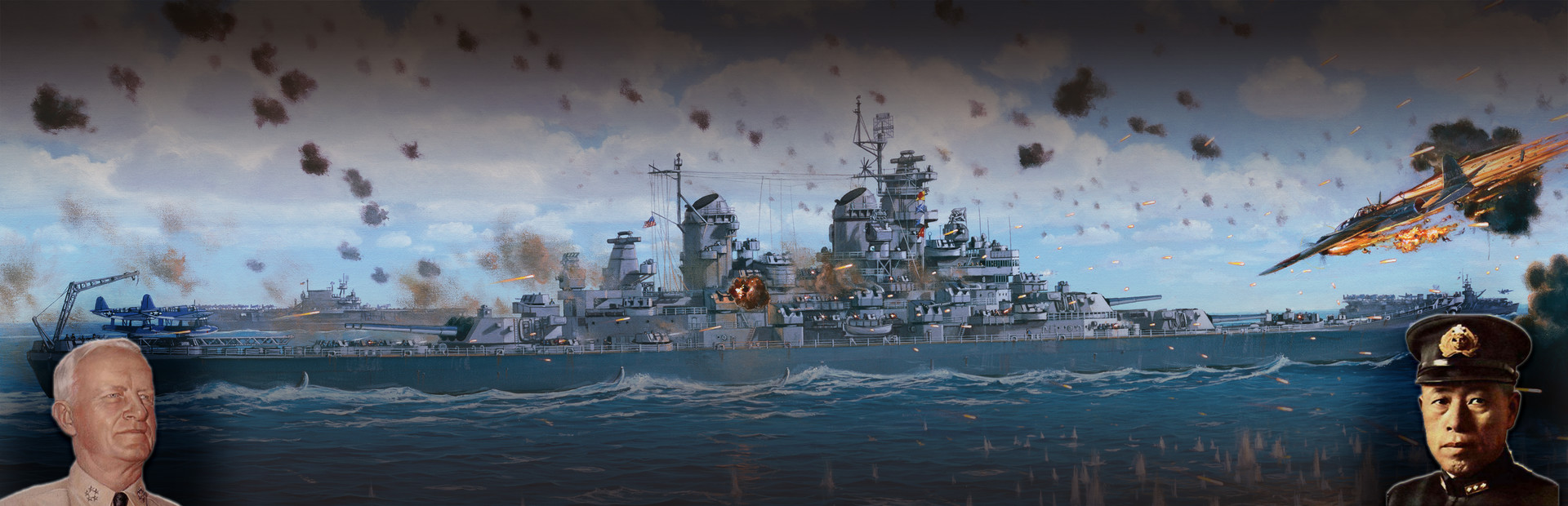
My honest first reaction to Fleet Commander: Pacific was relief that it had the discipline to stay in its lane. This is not Gary Grigsby's War in the Pacific. It has no logistics chains, no pilot fatigue modifiers, no 47-page manual to survive before the first carrier sortie. What it has is a tightly scoped I-GO-U-GO turn structure spanning 10 turns of four months each, covering the whole Pacific war from the Pearl Harbor surprise phase through to the Allied endgame, with every decision ultimately reducing to a single loaded choice: which of the 12-plus sea zones do you contest this turn, and with what? The phase sequence is where the real thinking lives. Each turn cycles through reinforcement arrivals, patrol deployments into contested sea areas, alternating land-based aircraft placement, amphibious unit movement, submarine positioning, and raid missions before combat resolves zone by zone in the order the Japanese player selects. That sequencing decision alone creates legitimate asymmetric pressure. Individual capital ships like battleships and fleet carriers are tracked as named units, while destroyers, marines, and air groups are bundled into flotillas and squadrons, which keeps the counter count manageable without stripping out the historical feel of the fleet compositions. Engagements cover carrier air strikes, surface gunnery exchanges, day and night battle variants, amphibious landings, and limited submarine interdiction. Damage states matter: ships can be damaged, disabled, or sunk, with automated repair cycles between turns adding a resource-management layer that is thin but functional. The honest critique, and community reviewers have landed on it consistently, is that the abstraction cuts both ways. The streamlining makes the Pacific theatre accessible to players who find War in the Pacific Atlas Edition genuinely intimidating, and that is worth something. But there is no economy, no theater logistics, no leader ratings, and no diplomacy, so the "grand" in grand strategy is doing heavier lifting than the mechanics can fully support. The solo AI, still under Early Access conditions, was described even at launch as operating on a rough base without the reactive scripting the developers intended to finish, and the last developer update on Steam is now over three years old. That is the single biggest red flag here: the game launched in Early Access in July 2022 with an explicit promise to build out the AI scripting system using player data, and the update trail has since gone cold. Players who tried both sides of the campaign reported the AI could put up a fight but lacked the adaptive decision-making that would give singleplayer real staying power across multiple runs. Scenario content is thin beyond the main campaign, with a handful of shorter one-turn scenarios that reviewers found too brief to generate meaningful decisions. For solo-only buyers, the abandoned Early Access status is a genuine problem. The game you get is functional but incomplete, and there is no credible development roadmap left to reference. For players with a regular PvP partner, the calculus shifts. Hot-seat and online multiplayer are implemented and working through Steam, and the zone-control tension the game creates is genuinely interesting when both sides are human. The design shares clear DNA with Avalon Hill's classic boardgame Victory in the Pacific, and players who know that game will find the digital translation coherent. Newcomers will find the rule set accessible, which is actually a genuine virtue in a wargame sub-genre where onboarding is usually an endurance test. If the AI ever gets the scripting overhaul the developers promised, this becomes a solid recommendation. Right now, it is a half-finished boardgame port that plays best with a human on the other side of the table. Diego, Scout Team

Fleet Commander: Pacific
SimulationStrategyEarly Access

Fleet Commander: Pacific

21 jul 2022SEP FCOMPlug In Digital
GamerScout opina

Closer to a digital boardgame than a grand-strategy titan, Fleet Commander: Pacific asks one sharp question every turn: which sea zones do you fight for and which do you surrender? The answer is rarely obvious, and that tension is the whole game.

PCMac
Mejor precio disponible
€0.00
en N/A
Mínimo histórico: €2.49

Comparar precios(0 tiendas)

Cargando precios...

We may earn a commission when you buy games through links on this page — at no extra cost to you. It never affects our rankings or verdicts.

Historial de precios

Historical low
€2.4910 Jun 2026
Keyshops
€2.29€2.42€2.56€2.6910 Jun15 Jun19 Jun24 Jun28 Jun
Tracking prices since 10 Jun 2026
Create alert

Capturas y multimedia

Acerca de Fleet Commander: Pacific

My honest first reaction to Fleet Commander: Pacific was relief that it had the discipline to stay in its lane. This is not Gary Grigsby's War in the Pacific. It has no logistics chains, no pilot fatigue modifiers, no 47-page manual to survive before the first carrier sortie. What it has is a tightly scoped I-GO-U-GO turn structure spanning 10 turns of four months each, covering the whole Pacific war from the Pearl Harbor surprise phase through to the Allied endgame, with every decision ultimately reducing to a single loaded choice: which of the 12-plus sea zones do you contest this turn, and with what? The phase sequence is where the real thinking lives. Each turn cycles through reinforcement arrivals, patrol deployments into contested sea areas, alternating land-based aircraft placement, amphibious unit movement, submarine positioning, and raid missions before combat resolves zone by zone in the order the Japanese player selects. That sequencing decision alone creates legitimate asymmetric pressure. Individual capital ships like battleships and fleet carriers are tracked as named units, while destroyers, marines, and air groups are bundled into flotillas and squadrons, which keeps the counter count manageable without stripping out the historical feel of the fleet compositions. Engagements cover carrier air strikes, surface gunnery exchanges, day and night battle variants, amphibious landings, and limited submarine interdiction. Damage states matter: ships can be damaged, disabled, or sunk, with automated repair cycles between turns adding a resource-management layer that is thin but functional. The honest critique, and community reviewers have landed on it consistently, is that the abstraction cuts both ways. The streamlining makes the Pacific theatre accessible to players who find War in the Pacific Atlas Edition genuinely intimidating, and that is worth something. But there is no economy, no theater logistics, no leader ratings, and no diplomacy, so the "grand" in grand strategy is doing heavier lifting than the mechanics can fully support. The solo AI, still under Early Access conditions, was described even at launch as operating on a rough base without the reactive scripting the developers intended to finish, and the last developer update on Steam is now over three years old. That is the single biggest red flag here: the game launched in Early Access in July 2022 with an explicit promise to build out the AI scripting system using player data, and the update trail has since gone cold. Players who tried both sides of the campaign reported the AI could put up a fight but lacked the adaptive decision-making that would give singleplayer real staying power across multiple runs. Scenario content is thin beyond the main campaign, with a handful of shorter one-turn scenarios that reviewers found too brief to generate meaningful decisions. For solo-only buyers, the abandoned Early Access status is a genuine problem. The game you get is functional but incomplete, and there is no credible development roadmap left to reference. For players with a regular PvP partner, the calculus shifts. Hot-seat and online multiplayer are implemented and working through Steam, and the zone-control tension the game creates is genuinely interesting when both sides are human. The design shares clear DNA with Avalon Hill's classic boardgame Victory in the Pacific, and players who know that game will find the digital translation coherent. Newcomers will find the rule set accessible, which is actually a genuine virtue in a wargame sub-genre where onboarding is usually an endurance test. If the AI ever gets the scripting overhaul the developers promised, this becomes a solid recommendation. Right now, it is a half-finished boardgame port that plays best with a human on the other side of the table.

Diego
Diego · Scout Team

Strategy & simulation

Etiquetas

singleplayermultiplayerpvponline-pvptier:sub-5Zone ControlIGOUGOAbandoned Early AccessHot-Seat MultiplayerBoardgame PortAsymmetric FactionsPacific TheatreNamed Capital Ships

Requisitos del sistema

Mínimos

OS
Windows 7/8/10
Memory
2 GB RAM
DirectX
Version 9.0
Storage
750 MB available space
Graphics
512 MB NVIDIA GeForce 9600 or equivalent
Processor
2.5 GHz Intel Dual Core
Sound Card
DirectX Compatible

Recomendados

OS
Windows 7 or higher
Memory
4 GB RAM
DirectX
Version 11
Storage
2 GB available space
Graphics
1024 MB DirectX 11 compatible
Processor
2.5 GHz Intel Dual Core
Sound Card
DirectX Compatible

Sigue explorando

Community Discussion

Be the first to comment on Fleet Commander: Pacific.

Reseñas y valoraciones

No hay valoraciones disponibles

Información del juego

Desarrolladora
SEP FCOM
Distribuidora
Plug In Digital
Fecha de lanzamiento
21 jul 2022

Alerta de precio

¡Recibe un aviso cuando el precio baje de tu objetivo!

Crear alerta

Compra mejor: guías útiles

Preguntas frecuentes sobre Fleet Commander: Pacific

¿Cuánto cuesta Fleet Commander: Pacific?

El precio de Fleet Commander: Pacific cambia a menudo y varía según la tienda, la edición y la región. La tabla de precios en vivo de esta página compara las ofertas más baratas en stock de tiendas de claves de confianza como Eneba y Kinguin, para que siempre veas el precio más bajo actual antes de comprar.

¿Dónde puedo comprar Fleet Commander: Pacific más barato?

Compara los precios de Fleet Commander: Pacific en todas las tiendas verificadas en la tabla de precios de esta página. Listamos las ofertas de claves y tiendas más baratas en stock, actualizadas con frecuencia, para que siempre veas la mejor oferta actual antes de comprar.

¿En qué plataformas está disponible Fleet Commander: Pacific?

Fleet Commander: Pacific está disponible en PC, Mac.

¿Cuándo se lanzó Fleet Commander: Pacific?

Fleet Commander: Pacific se lanzó el 21 de julio de 2022.

¿Quién desarrolló Fleet Commander: Pacific?

Fleet Commander: Pacific fue desarrollado por SEP FCOM y publicado por Plug In Digital.