Compara los precios de Europa Universalis III: Divine Wind en tiendas de claves de confianza y encuentra la mejor oferta. Desarrollado por Paradox Development Studio. Publicado por Paradox Interactive. Lanzado el 21/1/2011. Disponible en PC. Géneros: Strategy. Puntuación Metacritic: 71/100.

If you have already sunk time into EU3 with the prior expansions, Divine Wind is the logical final chapter - but newcomers trying to enter here will be eaten alive before 1450.

I have a spreadsheet that tracks every EU3 expansion by the net number of mechanics it adds versus the number it breaks. Divine Wind lands in positive territory, but only just, and the margin is smaller than Paradox fans would probably like to admit. This is the fourth and final expansion to Europa Universalis III, and it arrives less as a revolution and more as a considered house-cleaning: tightened trade rules, a revamped building system, Central Asian nomads who actually pressure you into maintaining real frontier defenses, and - most importantly - two full regional overhauls for China and Japan that finally give non-European runs a reason to exist beyond waiting for the inevitable Westernization event. The Japan content is the headline. Playing as one of the four major Daimyo factions and maneuvering for control of the Shogunate is a genuinely different strategic rhythm from the usual European power consolidation. Threat assessment, factional loyalty, and timing your push against the Emperor all layer on top of the core EU3 loop rather than replacing it. China gets a comparable treatment through an internal factions system: keeping the Mandate of Heaven requires managing competing power blocs, not just border-painting. The Central Asian nomad overhaul adds a third layer - they are now in a permanent state of aggression against settled powers, which means landlocked Eastern nations suddenly have a real use for colonists as a defensive buffer tool. Taken together, these three additions genuinely expand the geographic appeal of a game that, left to its own devices, funnels most players straight into France or Castile. The global mechanics changes are subtler but arguably more durable. Trade range has been shortened and trade winds carry more actual weight, making historical geography matter in a way earlier patches glossed over. The advisor system now limits you to one advisor per type, which kills the old cheese of stacking three philosophers to tank your reputation back to zero after an aggressive war binge. New building categories shift the mid-game toward defensive province investment rather than endless military expansion - you start protecting your College as if it were a firstborn child, and late-game province development becomes something you have to plan for, not just purchase. Peace negotiations now happen directly on the map by clicking provinces, a small interface change that turns a clunky pop-up process into something that actually feels like territorial bargaining. The honest downsides: the tutorial situation remains embarrassing. EU3 was already notorious for its steep learning curve, and Divine Wind does nothing to flatten it for newcomers. The Japan and China mechanics, while well-designed for a first or second run, have a novelty ceiling - by the third Japan campaign the Daimyo power struggle starts to feel scripted rather than emergent. Africa and the Americas remain strategic dead zones, which is historically defensible but leaves large portions of the map as decoration. Critics at the time noted that several of the global tweaks could reasonably have shipped as a free patch rather than paid content, and that critique still lands. Metacritic sits at 71, which feels accurate: this is a competent expansion that finishes a product rather than reinventing it. For anyone considering entry into EU3 in the current era: start with EU3 Complete to get the base game and the first expansions, get comfortable with the core loop, then pick up Heir to the Throne, and only then add Divine Wind. The mod community built around this version of the engine - patch 5.1 - is still active enough that a Byzantium overhaul or a total conversion can add serious replay value once the vanilla game runs thin. If EU4 already owns your calendar, Divine Wind is historical context rather than a detour worth taking. But if you want to understand the mechanical DNA that Paradox spent years refining before EU4 arrived, this final expansion is the clearest statement of what EU3 ultimately became. Diego, Scout Team

Europa Universalis III: Divine Wind

Europa Universalis III: Divine Wind

21 ene 2011Paradox Development StudioParadox Interactive
GamerScout opina

If you have already sunk time into EU3 with the prior expansions, Divine Wind is the logical final chapter - but newcomers trying to enter here will be eaten alive before 1450.

PC
Mejor precio disponible
€0.00
en N/A
Mínimo histórico: €2.33

Comparar precios(0 tiendas)

Cargando precios...

We may earn a commission when you buy games through links on this page — at no extra cost to you. It never affects our rankings or verdicts.

Historial de precios

Historical low
€2.3323 Jun 2026
Keyshops
€2.18€2.69€3.19€3.7010 Jun15 Jun19 Jun24 Jun28 Jun
Tracking prices since 10 Jun 2026
Create alert

Capturas y multimedia

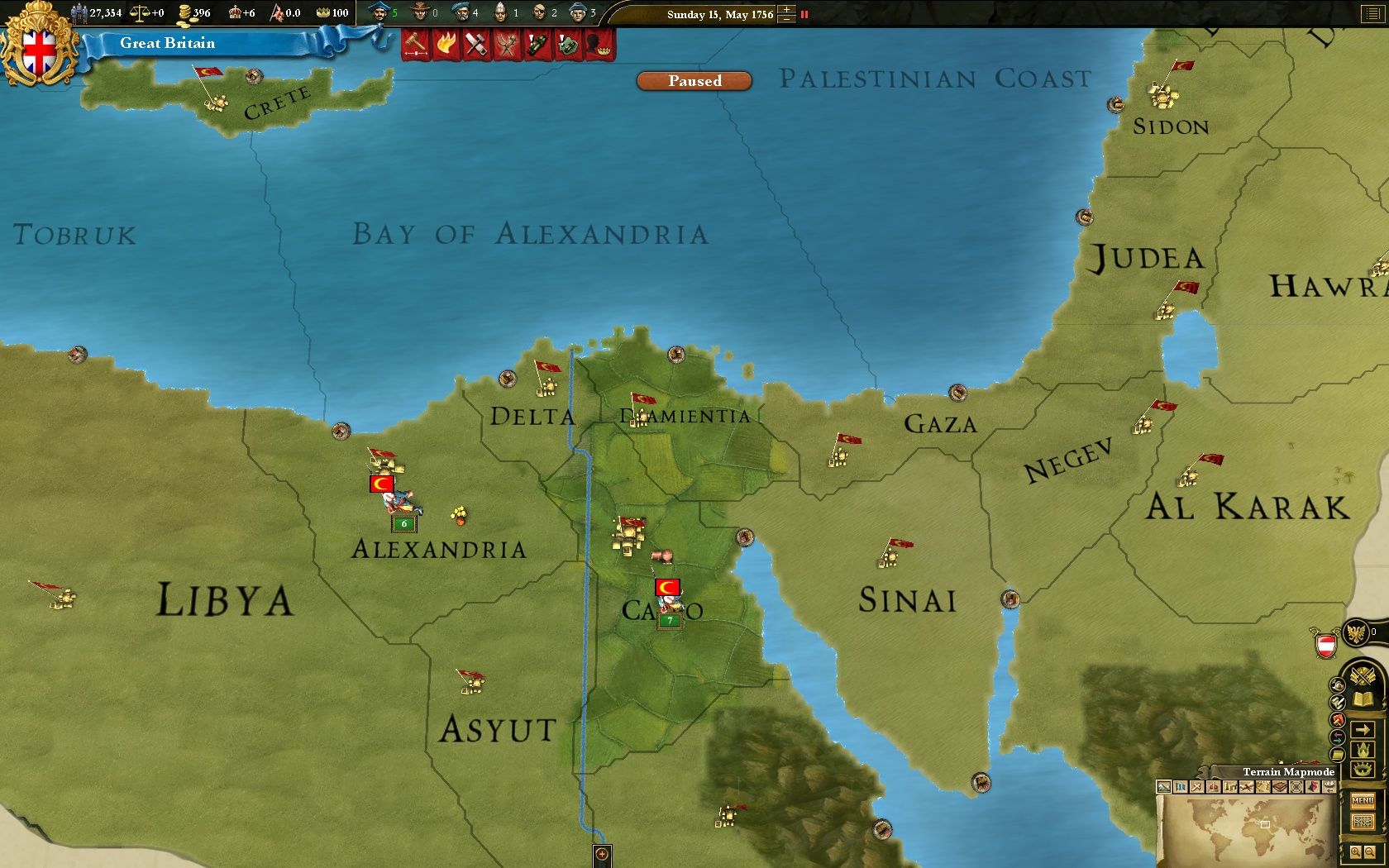
Captura

Acerca de Europa Universalis III: Divine Wind

I have a spreadsheet that tracks every EU3 expansion by the net number of mechanics it adds versus the number it breaks. Divine Wind lands in positive territory, but only just, and the margin is smaller than Paradox fans would probably like to admit. This is the fourth and final expansion to Europa Universalis III, and it arrives less as a revolution and more as a considered house-cleaning: tightened trade rules, a revamped building system, Central Asian nomads who actually pressure you into maintaining real frontier defenses, and - most importantly - two full regional overhauls for China and Japan that finally give non-European runs a reason to exist beyond waiting for the inevitable Westernization event. The Japan content is the headline. Playing as one of the four major Daimyo factions and maneuvering for control of the Shogunate is a genuinely different strategic rhythm from the usual European power consolidation. Threat assessment, factional loyalty, and timing your push against the Emperor all layer on top of the core EU3 loop rather than replacing it. China gets a comparable treatment through an internal factions system: keeping the Mandate of Heaven requires managing competing power blocs, not just border-painting. The Central Asian nomad overhaul adds a third layer - they are now in a permanent state of aggression against settled powers, which means landlocked Eastern nations suddenly have a real use for colonists as a defensive buffer tool. Taken together, these three additions genuinely expand the geographic appeal of a game that, left to its own devices, funnels most players straight into France or Castile. The global mechanics changes are subtler but arguably more durable. Trade range has been shortened and trade winds carry more actual weight, making historical geography matter in a way earlier patches glossed over. The advisor system now limits you to one advisor per type, which kills the old cheese of stacking three philosophers to tank your reputation back to zero after an aggressive war binge. New building categories shift the mid-game toward defensive province investment rather than endless military expansion - you start protecting your College as if it were a firstborn child, and late-game province development becomes something you have to plan for, not just purchase. Peace negotiations now happen directly on the map by clicking provinces, a small interface change that turns a clunky pop-up process into something that actually feels like territorial bargaining. The honest downsides: the tutorial situation remains embarrassing. EU3 was already notorious for its steep learning curve, and Divine Wind does nothing to flatten it for newcomers. The Japan and China mechanics, while well-designed for a first or second run, have a novelty ceiling - by the third Japan campaign the Daimyo power struggle starts to feel scripted rather than emergent. Africa and the Americas remain strategic dead zones, which is historically defensible but leaves large portions of the map as decoration. Critics at the time noted that several of the global tweaks could reasonably have shipped as a free patch rather than paid content, and that critique still lands. Metacritic sits at 71, which feels accurate: this is a competent expansion that finishes a product rather than reinventing it. For anyone considering entry into EU3 in the current era: start with EU3 Complete to get the base game and the first expansions, get comfortable with the core loop, then pick up Heir to the Throne, and only then add Divine Wind. The mod community built around this version of the engine - patch 5.1 - is still active enough that a Byzantium overhaul or a total conversion can add serious replay value once the vanilla game runs thin. If EU4 already owns your calendar, Divine Wind is historical context rather than a detour worth taking. But if you want to understand the mechanical DNA that Paradox spent years refining before EU4 arrived, this final expansion is the clearest statement of what EU3 ultimately became.

Diego
Diego · Scout Team

Strategy & simulation

Etiquetas

singleplayermultiplayertier:aaaGrand StrategyHistorical SimulationDaimyo MechanicsMandate of HeavenNomad WarfareProvince BuildingTrade Wind SystemAdvisor ManagementMod-FriendlyCampaign Sandbox

Requisitos del sistema

Mínimos

OS
Microsoft Windows XP/2000/Vista
Sound
DirectX7 compatible sound card
Memory
512MB RAM
Graphics
128MB Video Card and support for Pixelshader 2.0
DirectX®
9.0c or better
Processor
1.9GHz Intel Pentium 4 or AMD Athlon processor or equivalent
Hard Drive
1.0GB

Sigue explorando

Community Discussion

Be the first to comment on Europa Universalis III: Divine Wind.

Reseñas y valoraciones

Metacritic
71

Información del juego

Desarrolladora
Paradox Development Studio
Distribuidora
Paradox Interactive
Fecha de lanzamiento
21 ene 2011

Alerta de precio

¡Recibe un aviso cuando el precio baje de tu objetivo!

Crear alerta

Más de Paradox Development Studio

Compra mejor: guías útiles

Preguntas frecuentes sobre Europa Universalis III: Divine Wind

¿Cuánto cuesta Europa Universalis III: Divine Wind?

El precio de Europa Universalis III: Divine Wind cambia a menudo y varía según la tienda, la edición y la región. La tabla de precios en vivo de esta página compara las ofertas más baratas en stock de tiendas de claves de confianza como Eneba y Kinguin, para que siempre veas el precio más bajo actual antes de comprar.

¿Dónde puedo comprar Europa Universalis III: Divine Wind más barato?

Compara los precios de Europa Universalis III: Divine Wind en todas las tiendas verificadas en la tabla de precios de esta página. Listamos las ofertas de claves y tiendas más baratas en stock, actualizadas con frecuencia, para que siempre veas la mejor oferta actual antes de comprar.

¿En qué plataformas está disponible Europa Universalis III: Divine Wind?

Europa Universalis III: Divine Wind está disponible en PC.

¿Cuándo se lanzó Europa Universalis III: Divine Wind?

Europa Universalis III: Divine Wind se lanzó el 21 de enero de 2011.

¿Quién desarrolló Europa Universalis III: Divine Wind?

Europa Universalis III: Divine Wind fue desarrollado por Paradox Development Studio y publicado por Paradox Interactive.

¿Merece la pena comprar Europa Universalis III: Divine Wind?

Europa Universalis III: Divine Wind tiene una puntuación Metacritic de 71/100, lo que lo convierte en uno de los títulos destacados de Strategy. Mira las reseñas completas, las valoraciones y los tiempos de duración en esta página para decidir.