Compara los precios de Decay: The Mare en tiendas de claves de confianza y encuentra la mejor oferta. Desarrollado por Shining Gate Software. Publicado por Daedalic Entertainment. Lanzado el 13/2/2015. Disponible en PC, Mac, Linux. Géneros: Adventure, Indie. Puntuación Metacritic: 60/100.

A three-episode psychological horror puzzler from a tiny Stockholm studio that earns its atmosphere through sound and restraint, not jump-scare spam. Worth a look if you miss the old Myst-and-dread school of adventure.

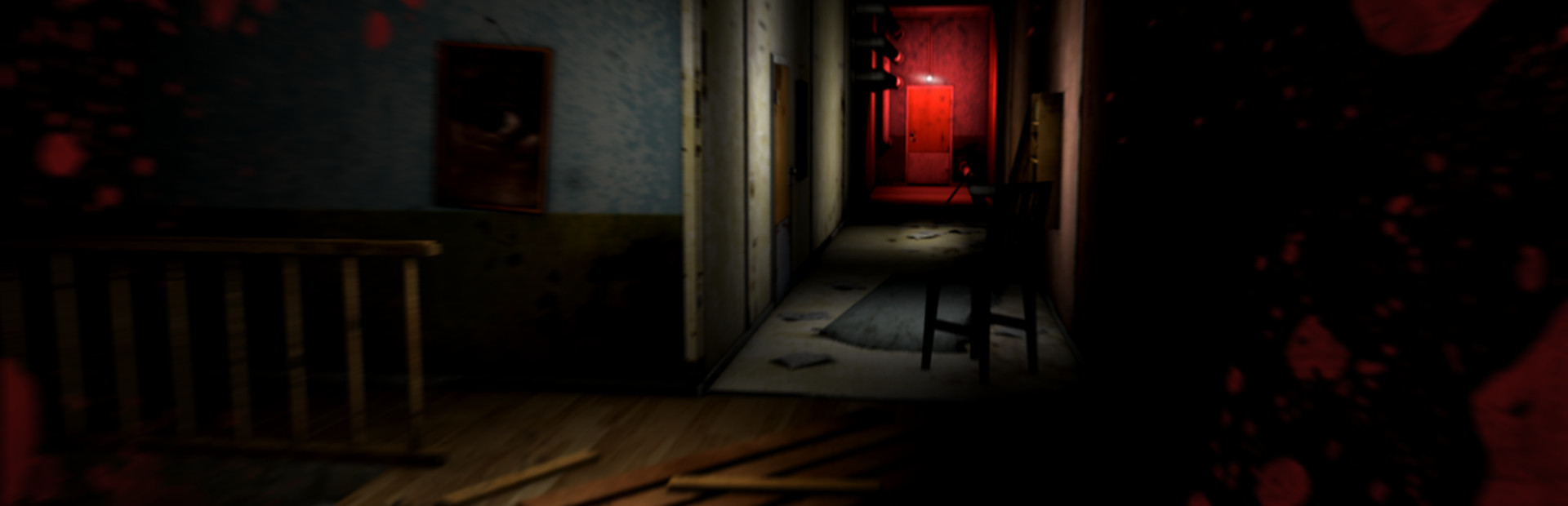
I have a soft spot for the kind of game that knows exactly what it can afford to do and quietly gets on with doing it. Decay: The Mare, from Stockholm's Shining Gate Software, is that game. It positions itself as a love letter to first-person horror adventures from the nineties, citing Phantasmagoria, Gabriel Knight, and Silent Hill as its touchstones, and for long stretches it earns that lineage in the most honest way possible: through a genuinely unsettling soundscape and the patience to let dread accumulate rather than discharge it in cheap shocks. The structure is three self-contained episodes, all included on Steam, totalling somewhere between three and five hours depending on your puzzle instincts. You play Sam, an addict who has checked himself into a rehabilitation centre called Reaching Dreams, and on his first night the place becomes something else entirely. The core mechanic is first-person point-and-click: static room views, an inventory you click your way through, and puzzles that chain together with satisfying logic most of the time. Episode one gives you the basics, inventory combination and item hunting. Episode two introduces a camera that reveals hidden clues invisible to the naked eye. Episode three hands you a pocket watch capable of reversing time on specific objects, and while neither mechanic is developed as far as it could be, both suggest a developer with genuine imagination working inside tight constraints. The built-in hint system, which guides you toward the correct room without outright solving the puzzle, is a small but thoughtful touch that respects your time without holding your hand. Here is the honest rub: if you come here expecting to be frightened in the way that Amnesia or Outlast frightens, you will be disappointed. There is no way to die, nothing pursues you, and the static-screen format telegraphs every scare before it lands. The horror is atmospheric rather than visceral, which means the sound design has to carry a disproportionate amount of weight, and mostly it does. Low piano tones, distant scratching, and the oppressive silence between rooms create something closer to dread than fright, which is actually the harder thing to sustain. The visuals, meanwhile, are a genuine weak point. Backgrounds were dated at release, and the pixelated fog effect reads more as a technical limitation than an artistic choice. The uncanny character models are almost certainly intentional, sitting in just the right valley of wrongness, but the overall presentation will not win anyone over who needs polish to buy in. The story lands somewhere between intriguing and unresolved. It holds its cards tightly across all three episodes, which is a legitimate pacing choice, but the final revelation tries a twist that the writing has not quite earned. Some critics found it messy; I found it reaching for something more ambitious than the runtime can support, which is a different kind of failure and arguably a more interesting one. For a small studio operating on limited resources, the attempt itself is worth crediting. Decay: The Mare is not for every horror player. If you need movement, threat, and reflex-based tension, look elsewhere. If you are the kind of person who once finished Gabriel Knight at midnight with headphones on and still thinks about it, this three-hour detour through a nightmare asylum has enough craft, enough atmospheric care, and enough quiet dread to justify your evening. Kai, Scout Team

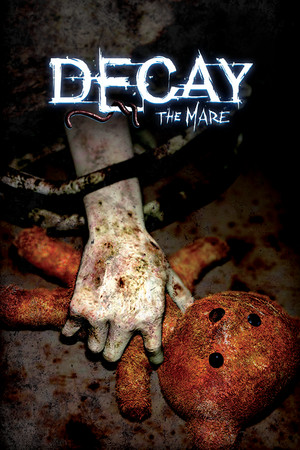
Decay: The Mare

Decay: The Mare

13 feb 2015Shining Gate SoftwareDaedalic Entertainment
GamerScout opina

A three-episode psychological horror puzzler from a tiny Stockholm studio that earns its atmosphere through sound and restraint, not jump-scare spam. Worth a look if you miss the old Myst-and-dread school of adventure.

PCMacLinux
Mejor precio disponible
€0.00
en N/A
Mínimo histórico: €0.41

Comparar precios(0 tiendas)

Cargando precios...

We may earn a commission when you buy games through links on this page — at no extra cost to you. It never affects our rankings or verdicts.

Historial de precios

Historical low
€0.417 Jun 2026
Keyshops
€0.38€0.40€0.42€0.447 Jun12 Jun18 Jun23 Jun28 Jun
Tracking prices since 7 Jun 2026
Create alert

Capturas y multimedia

Acerca de Decay: The Mare

I have a soft spot for the kind of game that knows exactly what it can afford to do and quietly gets on with doing it. Decay: The Mare, from Stockholm's Shining Gate Software, is that game. It positions itself as a love letter to first-person horror adventures from the nineties, citing Phantasmagoria, Gabriel Knight, and Silent Hill as its touchstones, and for long stretches it earns that lineage in the most honest way possible: through a genuinely unsettling soundscape and the patience to let dread accumulate rather than discharge it in cheap shocks. The structure is three self-contained episodes, all included on Steam, totalling somewhere between three and five hours depending on your puzzle instincts. You play Sam, an addict who has checked himself into a rehabilitation centre called Reaching Dreams, and on his first night the place becomes something else entirely. The core mechanic is first-person point-and-click: static room views, an inventory you click your way through, and puzzles that chain together with satisfying logic most of the time. Episode one gives you the basics, inventory combination and item hunting. Episode two introduces a camera that reveals hidden clues invisible to the naked eye. Episode three hands you a pocket watch capable of reversing time on specific objects, and while neither mechanic is developed as far as it could be, both suggest a developer with genuine imagination working inside tight constraints. The built-in hint system, which guides you toward the correct room without outright solving the puzzle, is a small but thoughtful touch that respects your time without holding your hand. Here is the honest rub: if you come here expecting to be frightened in the way that Amnesia or Outlast frightens, you will be disappointed. There is no way to die, nothing pursues you, and the static-screen format telegraphs every scare before it lands. The horror is atmospheric rather than visceral, which means the sound design has to carry a disproportionate amount of weight, and mostly it does. Low piano tones, distant scratching, and the oppressive silence between rooms create something closer to dread than fright, which is actually the harder thing to sustain. The visuals, meanwhile, are a genuine weak point. Backgrounds were dated at release, and the pixelated fog effect reads more as a technical limitation than an artistic choice. The uncanny character models are almost certainly intentional, sitting in just the right valley of wrongness, but the overall presentation will not win anyone over who needs polish to buy in. The story lands somewhere between intriguing and unresolved. It holds its cards tightly across all three episodes, which is a legitimate pacing choice, but the final revelation tries a twist that the writing has not quite earned. Some critics found it messy; I found it reaching for something more ambitious than the runtime can support, which is a different kind of failure and arguably a more interesting one. For a small studio operating on limited resources, the attempt itself is worth crediting. Decay: The Mare is not for every horror player. If you need movement, threat, and reflex-based tension, look elsewhere. If you are the kind of person who once finished Gabriel Knight at midnight with headphones on and still thinks about it, this three-hour detour through a nightmare asylum has enough craft, enough atmospheric care, and enough quiet dread to justify your evening.

Kai
Kai · Scout Team

Indie & narrative

Etiquetas

singleplayerachievementstrading-cardscloud-savestier:sub-5Psychological HorrorPoint-and-ClickEpisodicStatic EnvironmentsInventory PuzzlesTime Reversal MechanicHint SystemAtmospheric SoundNo Combat

Requisitos del sistema

Mínimos

OS
Windows Vista / 7 / 8
Memory
2 GB RAM
DirectX
Version 9.0c
Storage
2100 MB available space
Graphics
nVidia GeForce 205, Radeon HD 3400
Processor
2.2 GHz Dual Core
Sound Card
DirectX 9.0c compatible sound card with the latest drivers

Recomendados

OS
Windows XP 32 Bit / Vista / 7 / 8
Memory
2 GB RAM
DirectX
Version 9.0c
Storage
2100 MB available space
Graphics
nVidia GeForce 205, Radeon HD 3400
Processor
2.4 GHz Dual Core
Sound Card
DirectX 9.0c compatible sound card with the latest drivers

Sigue explorando

Community Discussion

Be the first to comment on Decay: The Mare.

Reseñas y valoraciones

Metacritic
60

Información del juego

Desarrolladora
Shining Gate Software
Distribuidora
Daedalic Entertainment
Fecha de lanzamiento
13 feb 2015

Alerta de precio

¡Recibe un aviso cuando el precio baje de tu objetivo!

Crear alerta

Compra mejor: guías útiles

¿Buscas más? Mira juegos como Decay: The Mare →

Preguntas frecuentes sobre Decay: The Mare

¿Cuánto cuesta Decay: The Mare?

El precio de Decay: The Mare cambia a menudo y varía según la tienda, la edición y la región. La tabla de precios en vivo de esta página compara las ofertas más baratas en stock de tiendas de claves de confianza como Eneba y Kinguin, para que siempre veas el precio más bajo actual antes de comprar.

¿Dónde puedo comprar Decay: The Mare más barato?

Compara los precios de Decay: The Mare en todas las tiendas verificadas en la tabla de precios de esta página. Listamos las ofertas de claves y tiendas más baratas en stock, actualizadas con frecuencia, para que siempre veas la mejor oferta actual antes de comprar.

¿En qué plataformas está disponible Decay: The Mare?

Decay: The Mare está disponible en PC, Mac, Linux.

¿Cuándo se lanzó Decay: The Mare?

Decay: The Mare se lanzó el 13 de febrero de 2015.

¿Quién desarrolló Decay: The Mare?

Decay: The Mare fue desarrollado por Shining Gate Software y publicado por Daedalic Entertainment.

¿Merece la pena comprar Decay: The Mare?

Decay: The Mare tiene una puntuación Metacritic de 60/100, lo que lo convierte en uno de los títulos destacados de Adventure. Mira las reseñas completas, las valoraciones y los tiempos de duración en esta página para decidir.