Compara los precios de Debris en tiendas de claves de confianza y encuentra la mejor oferta. Desarrollado por Moonray Studios. Publicado por Moonray Studios. Lanzado el 23/10/2017. Disponible en PC, Mac. Géneros: Adventure, Indie.

A three-to-five-hour underwater psychological mystery that works best when you bring a friend and worst when you go in expecting Subnautica.

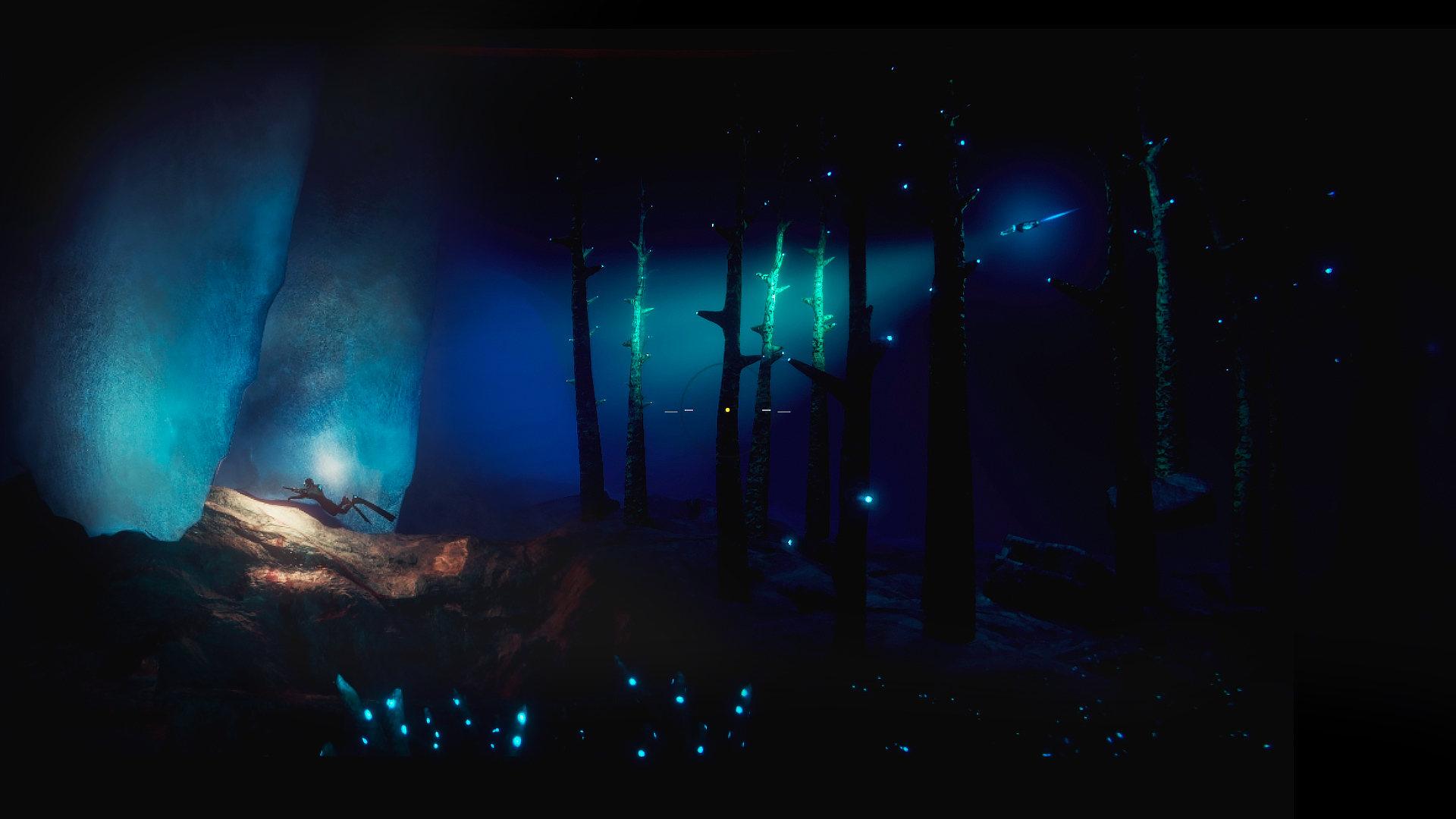
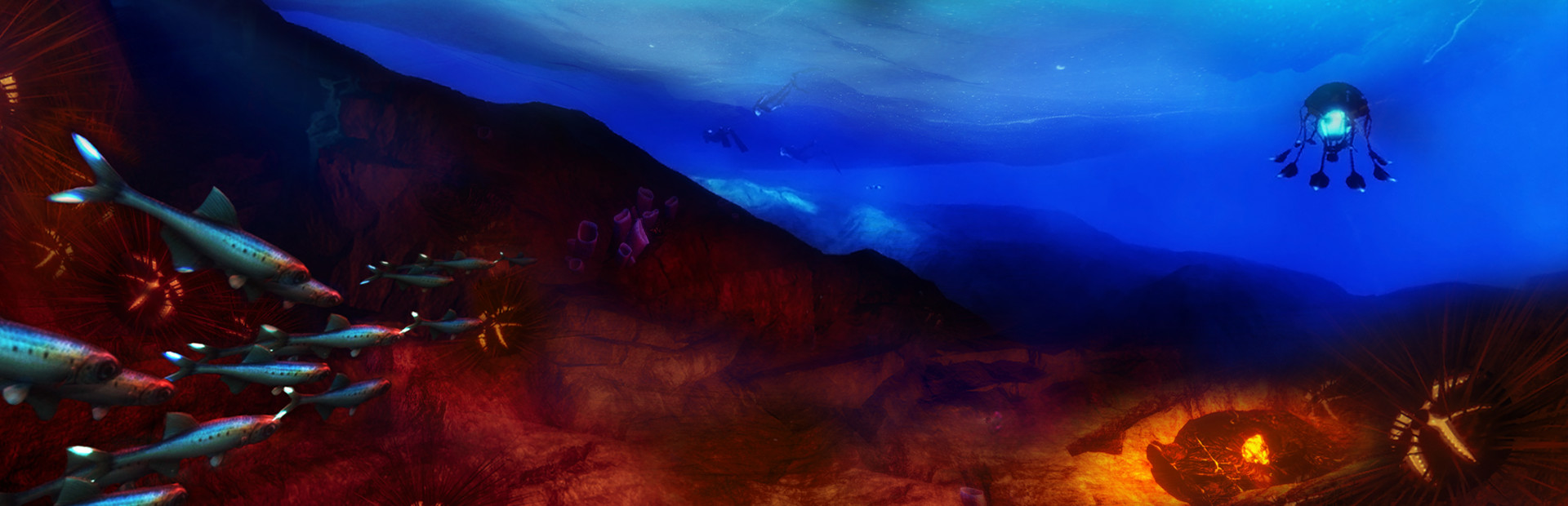
My first instinct with Debris was to turn the lights off and put on headphones, and that instinct was right. Moonray Studios, a small Canadian team out of Hamilton, built something genuinely unusual here: a first-person narrative set in arctic underwater ice caves where the horror is less about jump scares and more about slowly losing grip on what is real. The premise drops you into the fins of Ryan, a videographer contracted by the energy corporation ALTA to film promotional footage of a remarkable discovery - meteoric debris embedded in the seafloor that produces clean energy. Then an explosion separates the team, and you are left in the dark with a cracked suit and a lot of questions. The core loop is survival-light. Ryan's suit runs on power drawn from the titular debris, and your oxygen and energy gauges tick down constantly. Sonya controls a Squid ROV - your only light source and your lifeline for harvesting debris to keep the suit charged. Flares scatter smaller fish away from you while a laser handles the more aggressive creatures, though it bounces harmlessly off sharks and larger threats. Giant earthworm-like creatures burst from tunnel walls with little warning. None of the combat is particularly deep, and reviewers have broadly agreed that the shooting sits at the weakest end of the experience, feeling bolted on rather than designed in. The minimap exists but the slow movement speed and sprawling dark caverns still make getting turned around frustratingly easy. What carries Debris is the story and its soundscape. The music sets a tone that somehow holds mystery, quiet beauty, and creeping unease in the same breath. The voice acting is solid for an indie at this budget level, and the ongoing dialogue between Ryan and Sonya does real character work rather than just feeding you exposition. The game was developed over three years in collaboration with medical professionals to depict psychosis - specifically the kind that surfaces immediately after trauma. It draws comparisons to Hellblade: Senua's Sacrifice in its aims, though it keeps the subject matter as a slower-burning revelation. There are four endings shaped by choices made throughout, which gives the three-to-five-hour runtime some reason to revisit. The co-op mode, added post-launch, is where the design intention finally clicks into place. Playing as Ryan with a second person controlling Sonya's Squid ROV creates an asymmetric experience where the two players literally do not perceive the same reality - Ryan's psychosis affects what he sees and hears in ways Sonya cannot share. That asymmetry is a quietly brilliant idea. In practice the Sonya role is thinner on moment-to-moment interaction, and some AI-companion bugs from solo play never fully disappeared, but the co-op framing transforms the psychological underpinning from an abstract reveal into something you and a friend actually argue about in real time. Technically the game has aged with its share of rough edges: visual assets that feel a generation behind, load times that outpace the graphical demands, and occasional AI-companion desync that can become session-ending. This is the kind of small game I want more people to sit with. It has a specific thing it is trying to say, it found an unusual way to say it, and the atmosphere it builds in its opening chapters is genuinely memorable. The gaps between ambition and execution are real and worth knowing going in. But if you have a patient friend and a fondness for audio-driven narrative mysteries with a compassionate core, Debris earns that evening. Kai, Scout Team

Debris

Debris

23 oct 2017Moonray Studios
GamerScout opina

A three-to-five-hour underwater psychological mystery that works best when you bring a friend and worst when you go in expecting Subnautica.

PCMac
Mejor precio disponible
€0.00
en N/A
Mínimo histórico: €2.90

Comparar precios(0 tiendas)

Cargando precios...

We may earn a commission when you buy games through links on this page — at no extra cost to you. It never affects our rankings or verdicts.

Historial de precios

Historical low
€2.907 Jun 2026
Keyshops
€2.67€2.82€2.98€3.137 Jun12 Jun18 Jun23 Jun28 Jun
Tracking prices since 7 Jun 2026
Create alert

Capturas y multimedia

Captura

Acerca de Debris

My first instinct with Debris was to turn the lights off and put on headphones, and that instinct was right. Moonray Studios, a small Canadian team out of Hamilton, built something genuinely unusual here: a first-person narrative set in arctic underwater ice caves where the horror is less about jump scares and more about slowly losing grip on what is real. The premise drops you into the fins of Ryan, a videographer contracted by the energy corporation ALTA to film promotional footage of a remarkable discovery - meteoric debris embedded in the seafloor that produces clean energy. Then an explosion separates the team, and you are left in the dark with a cracked suit and a lot of questions. The core loop is survival-light. Ryan's suit runs on power drawn from the titular debris, and your oxygen and energy gauges tick down constantly. Sonya controls a Squid ROV - your only light source and your lifeline for harvesting debris to keep the suit charged. Flares scatter smaller fish away from you while a laser handles the more aggressive creatures, though it bounces harmlessly off sharks and larger threats. Giant earthworm-like creatures burst from tunnel walls with little warning. None of the combat is particularly deep, and reviewers have broadly agreed that the shooting sits at the weakest end of the experience, feeling bolted on rather than designed in. The minimap exists but the slow movement speed and sprawling dark caverns still make getting turned around frustratingly easy. What carries Debris is the story and its soundscape. The music sets a tone that somehow holds mystery, quiet beauty, and creeping unease in the same breath. The voice acting is solid for an indie at this budget level, and the ongoing dialogue between Ryan and Sonya does real character work rather than just feeding you exposition. The game was developed over three years in collaboration with medical professionals to depict psychosis - specifically the kind that surfaces immediately after trauma. It draws comparisons to Hellblade: Senua's Sacrifice in its aims, though it keeps the subject matter as a slower-burning revelation. There are four endings shaped by choices made throughout, which gives the three-to-five-hour runtime some reason to revisit. The co-op mode, added post-launch, is where the design intention finally clicks into place. Playing as Ryan with a second person controlling Sonya's Squid ROV creates an asymmetric experience where the two players literally do not perceive the same reality - Ryan's psychosis affects what he sees and hears in ways Sonya cannot share. That asymmetry is a quietly brilliant idea. In practice the Sonya role is thinner on moment-to-moment interaction, and some AI-companion bugs from solo play never fully disappeared, but the co-op framing transforms the psychological underpinning from an abstract reveal into something you and a friend actually argue about in real time. Technically the game has aged with its share of rough edges: visual assets that feel a generation behind, load times that outpace the graphical demands, and occasional AI-companion desync that can become session-ending. This is the kind of small game I want more people to sit with. It has a specific thing it is trying to say, it found an unusual way to say it, and the atmosphere it builds in its opening chapters is genuinely memorable. The gaps between ambition and execution are real and worth knowing going in. But if you have a patient friend and a fondness for audio-driven narrative mysteries with a compassionate core, Debris earns that evening.

Kai
Kai · Scout Team

Indie & narrative

Etiquetas

singleplayermultiplayercooponline-coopachievementscontroller-supporttier:sub-5Psychological MysteryAsymmetric Co-opNarrative-DrivenUnderwater HorrorMultiple EndingsAudio-DrivenShort PlaytimePsychosis Theme

Requisitos del sistema

Mínimos

OS
Windows 7
Memory
8 GB RAM
DirectX
Version 11
Storage
13 GB available space
Graphics
GTX 760 or higher and AMD R9 270X or higher
Processor
Dual Core 2.3GHz or better

Sigue explorando

Community Discussion

Be the first to comment on Debris.

Reseñas y valoraciones

No hay valoraciones disponibles

Información del juego

Desarrolladora
Moonray Studios
Distribuidora
Moonray Studios
Fecha de lanzamiento
23 oct 2017

Alerta de precio

¡Recibe un aviso cuando el precio baje de tu objetivo!

Crear alerta

Compra mejor: guías útiles

¿Buscas más? Mira juegos como Debris →

Preguntas frecuentes sobre Debris

¿Cuánto cuesta Debris?

El precio de Debris cambia a menudo y varía según la tienda, la edición y la región. La tabla de precios en vivo de esta página compara las ofertas más baratas en stock de tiendas de claves de confianza como Eneba y Kinguin, para que siempre veas el precio más bajo actual antes de comprar.

¿Dónde puedo comprar Debris más barato?

Compara los precios de Debris en todas las tiendas verificadas en la tabla de precios de esta página. Listamos las ofertas de claves y tiendas más baratas en stock, actualizadas con frecuencia, para que siempre veas la mejor oferta actual antes de comprar.

¿En qué plataformas está disponible Debris?

Debris está disponible en PC, Mac.

¿Cuándo se lanzó Debris?

Debris se lanzó el 23 de octubre de 2017.

¿Quién desarrolló Debris?

Debris fue desarrollado por Moonray Studios.