
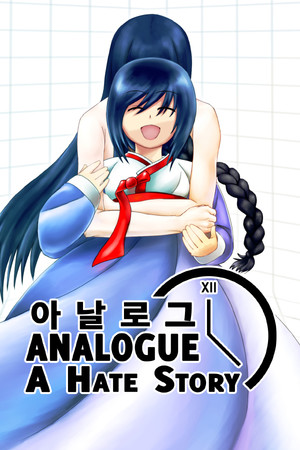
Compara los precios de Analogue: A Hate Story en tiendas de claves de confianza y encuentra la mejor oferta. Desarrollado por Love Conquers All Games. Publicado por Love Conquers All Games. Lanzado el 27/4/2012. Disponible en PC, Mac, Linux. Géneros: Indie. Puntuación Metacritic: 62/100.

A five-to-seven-hour visual novel about digging through a dead spaceship's logs alongside two AIs who both have reasons to lie to you. Uncomfortable, precise, and harder to put down than it has any right to be.

I went into this one expecting a quiet curiosity from 2012 and came out genuinely unsettled, which is exactly what Christine Love intended. You play an unnamed investigator tasked with boarding the long-lost generation ship Mugunghwa, piecing together what happened to its crew by reading through centuries-old diaries, letters, and court records. The catch is that your two guides through this archive, the AIs *Hyun-ae and *Mute, have radically different accounts of the same events and deeply personal reasons to shape what you learn. The interface mirrors a basic email client: log blocks arrive in rough chronological order, you read, you bring interesting entries back to whichever AI you have active, and the story unlocks in layers. It sounds passive. It is not. The writing is where this game earns its reputation. The dead crew of the Mugunghwa are people you only ever encounter as text on a screen, yet the accumulated weight of their letters builds something that feels genuinely inhabited. The ship's society had collapsed into a rigid patriarchal order drawn from Joseon-era Korea, and Love does not soften that. Reading the logs can make you angry in a productive, specific way. *Hyun-ae, the archive AI, is emotionally raw and quietly manipulative in equal measure; *Mute, the security AI, is cheerfully misogynistic and somehow still sympathetic once you understand where her values came from. Their conflict is the engine that drives every one of the five endings, which branch depending on which AI you side with during a reactor meltdown sequence that locks your path for the rest of the run. The meltdown itself introduces a real-time pressure element inside an otherwise contemplative game, and it lands with more weight than you expect from a title this small. There are genuine structural complaints worth knowing before you buy. The middle section loses momentum; once you have both AIs unlocked and the log blocks start flowing freely, the rhythm of read-then-discuss can tip into repetition. Some endings feel more abrupt than resolved, especially on the *Mute route. The resolution cap of 1024x640 is also a legitimate annoyance in windowed mode on modern displays, and macOS users should be aware that compatibility issues exist with newer operating systems. The sound design is quiet and ambient throughout, subdued enough to register as texture rather than foreground music, but it suits the cold-void-of-space setting without calling attention to itself. The unreliable narrator mechanic, where both AIs selectively withhold log entries and the documents themselves are written by biased hands, is handled with genuine craft. You are an archaeologist assembling a picture from fragments, and the game trusts you to do that without too much hand-holding. A second playthrough to pursue the alternate AI route takes less time and reveals just enough new material to feel worthwhile rather than obligatory. If you want the harem ending you will need outside knowledge, which is either charming or annoying depending on your tolerance for that kind of puzzle design. At around 59,000 words total it is a lean experience, and it knows when to end even if the endings themselves occasionally arrive a beat early. This is not a game for everyone. It asks you to sit with difficult history, to extend empathy toward characters who have done terrible things, and to accept that the interactivity is mostly in service of revelation rather than agency. For readers who also play games, for anyone curious about how text and interface can carry genuine moral weight, it remains one of the more honest pieces of interactive fiction on PC. Kai, Scout Team

Analogue: A Hate Story

Analogue: A Hate Story

27 abr 2012Love Conquers All Games
GamerScout opina

A five-to-seven-hour visual novel about digging through a dead spaceship's logs alongside two AIs who both have reasons to lie to you. Uncomfortable, precise, and harder to put down than it has any right to be.

PCMacLinux
ProtonDB Platinum
Mejor precio disponible
€0.00
en N/A
Mínimo histórico: €2.43

Comparar precios(0 tiendas)

Cargando precios...

We may earn a commission when you buy games through links on this page — at no extra cost to you. It never affects our rankings or verdicts.

Historial de precios

Historical low
€2.4326 Jun 2026
Keyshops
€2.34€2.64€2.93€3.237 Jun12 Jun18 Jun23 Jun28 Jun
Tracking prices since 7 Jun 2026
Create alert

Capturas y multimedia

Acerca de Analogue: A Hate Story

I went into this one expecting a quiet curiosity from 2012 and came out genuinely unsettled, which is exactly what Christine Love intended. You play an unnamed investigator tasked with boarding the long-lost generation ship Mugunghwa, piecing together what happened to its crew by reading through centuries-old diaries, letters, and court records. The catch is that your two guides through this archive, the AIs *Hyun-ae and *Mute, have radically different accounts of the same events and deeply personal reasons to shape what you learn. The interface mirrors a basic email client: log blocks arrive in rough chronological order, you read, you bring interesting entries back to whichever AI you have active, and the story unlocks in layers. It sounds passive. It is not. The writing is where this game earns its reputation. The dead crew of the Mugunghwa are people you only ever encounter as text on a screen, yet the accumulated weight of their letters builds something that feels genuinely inhabited. The ship's society had collapsed into a rigid patriarchal order drawn from Joseon-era Korea, and Love does not soften that. Reading the logs can make you angry in a productive, specific way. *Hyun-ae, the archive AI, is emotionally raw and quietly manipulative in equal measure; *Mute, the security AI, is cheerfully misogynistic and somehow still sympathetic once you understand where her values came from. Their conflict is the engine that drives every one of the five endings, which branch depending on which AI you side with during a reactor meltdown sequence that locks your path for the rest of the run. The meltdown itself introduces a real-time pressure element inside an otherwise contemplative game, and it lands with more weight than you expect from a title this small. There are genuine structural complaints worth knowing before you buy. The middle section loses momentum; once you have both AIs unlocked and the log blocks start flowing freely, the rhythm of read-then-discuss can tip into repetition. Some endings feel more abrupt than resolved, especially on the *Mute route. The resolution cap of 1024x640 is also a legitimate annoyance in windowed mode on modern displays, and macOS users should be aware that compatibility issues exist with newer operating systems. The sound design is quiet and ambient throughout, subdued enough to register as texture rather than foreground music, but it suits the cold-void-of-space setting without calling attention to itself. The unreliable narrator mechanic, where both AIs selectively withhold log entries and the documents themselves are written by biased hands, is handled with genuine craft. You are an archaeologist assembling a picture from fragments, and the game trusts you to do that without too much hand-holding. A second playthrough to pursue the alternate AI route takes less time and reveals just enough new material to feel worthwhile rather than obligatory. If you want the harem ending you will need outside knowledge, which is either charming or annoying depending on your tolerance for that kind of puzzle design. At around 59,000 words total it is a lean experience, and it knows when to end even if the endings themselves occasionally arrive a beat early. This is not a game for everyone. It asks you to sit with difficult history, to extend empathy toward characters who have done terrible things, and to accept that the interactivity is mostly in service of revelation rather than agency. For readers who also play games, for anyone curious about how text and interface can carry genuine moral weight, it remains one of the more honest pieces of interactive fiction on PC.

Kai
Kai · Scout Team

Indie & narrative

Etiquetas

singleplayerachievementscloud-savestier:sub-5Unreliable NarratorSci-Fi MysteryHistorical ThemesMultiple EndingsCommand TerminalShort PlaytimeReactor Meltdown MechanicLGBTQ Themes

Requisitos del sistema

Mínimos

OS
Windows XP
Memory
1 GB
DirectX®
9.0c
Processor
1.66 GHz
Video Card
DirectX compatible card
Hard Disk Space
80 MB

Sigue explorando

Community Discussion

Be the first to comment on Analogue: A Hate Story.

Reseñas y valoraciones

Metacritic
62

Información del juego

Desarrolladora
Love Conquers All Games
Distribuidora
Love Conquers All Games
Fecha de lanzamiento
27 abr 2012

Alerta de precio

¡Recibe un aviso cuando el precio baje de tu objetivo!

Crear alerta

Más de Love Conquers All Games

Compra mejor: guías útiles

¿Buscas más? Mira juegos como Analogue: A Hate Story →

Preguntas frecuentes sobre Analogue: A Hate Story

¿Cuánto cuesta Analogue: A Hate Story?

El precio de Analogue: A Hate Story cambia a menudo y varía según la tienda, la edición y la región. La tabla de precios en vivo de esta página compara las ofertas más baratas en stock de tiendas de claves de confianza como Eneba y Kinguin, para que siempre veas el precio más bajo actual antes de comprar.

¿Dónde puedo comprar Analogue: A Hate Story más barato?

Compara los precios de Analogue: A Hate Story en todas las tiendas verificadas en la tabla de precios de esta página. Listamos las ofertas de claves y tiendas más baratas en stock, actualizadas con frecuencia, para que siempre veas la mejor oferta actual antes de comprar.

¿En qué plataformas está disponible Analogue: A Hate Story?

Analogue: A Hate Story está disponible en PC, Mac, Linux.

¿Cuándo se lanzó Analogue: A Hate Story?

Analogue: A Hate Story se lanzó el 27 de abril de 2012.

¿Quién desarrolló Analogue: A Hate Story?

Analogue: A Hate Story fue desarrollado por Love Conquers All Games.

¿Merece la pena comprar Analogue: A Hate Story?

Analogue: A Hate Story tiene una puntuación Metacritic de 62/100, lo que lo convierte en uno de los títulos destacados de Indie. Mira las reseñas completas, las valoraciones y los tiempos de duración en esta página para decidir.