Hand of Fate
A candlelit card table where every flip could mean a curse, a fight, or a moral gut-punch - Hand of Fate is the kind of hybrid that should not work but somehow absolutely does.
GamerScout Verdict
Ideal for roguelite players who want narrative texture and tabletop atmosphere; combat is functional but the card-table tension is the real draw.
Compare Prices(3 stores)
Every store in this table quotes us in euros, so the EUR figure is the price the seller actually set, not our arithmetic — which is why EUR is also the currency we rank in. We only list an offer here when the store gives us its price in euros, so nothing in this table is a number we invented.
Pick USD, PLN, GBP, CAD or AUD in the header and we convert from EUR at the European Central Bank reference rate — converted amounts are prefixed with ~. Your bank or the store may apply a different rate at checkout. We never hide offers based on where you are: everyone sees this whole table.
We may earn a commission when you buy games through links on this page — at no extra cost to you. It never affects our rankings or verdicts.
Price History
Screenshots & Media
About Hand of Fate
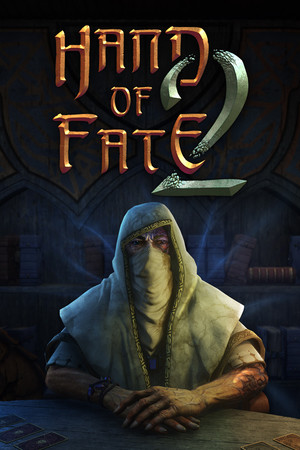
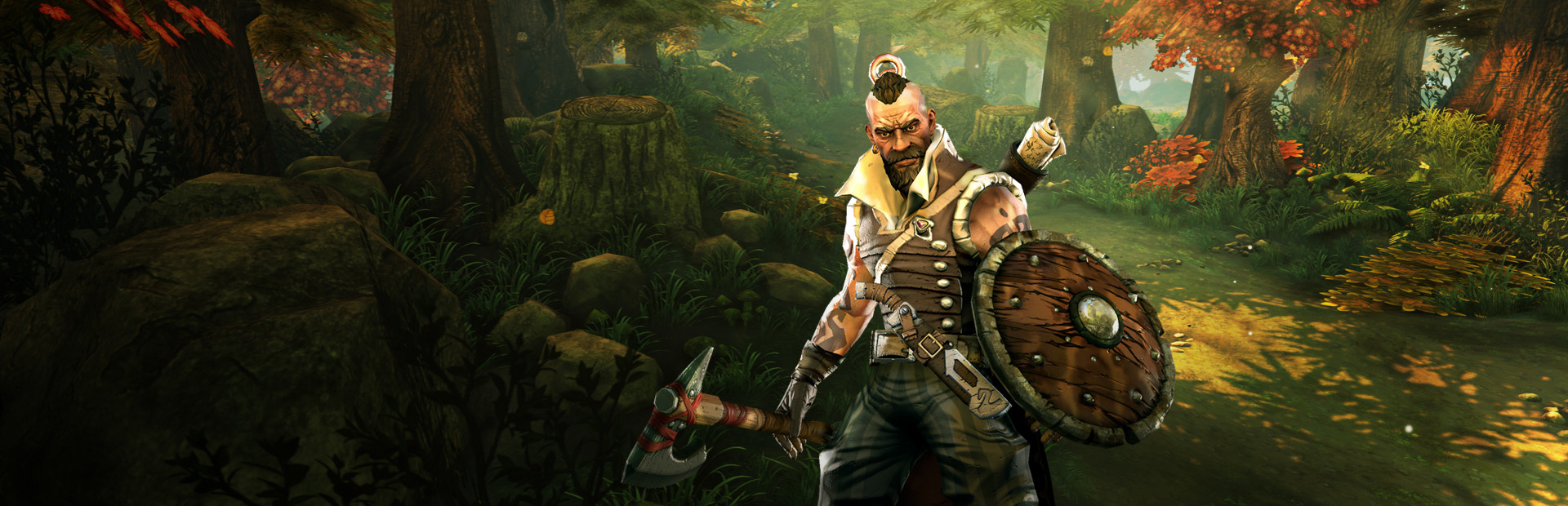
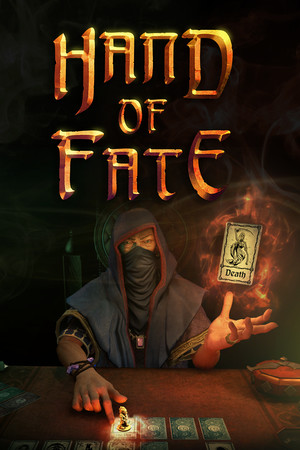
I genuinely did not expect to lose an evening to a game built around a card table and a sarcastic old man, but here we are. Hand of Fate is a Brisbane-made roguelike deck-builder that stitches together three modes of play that have no business living in the same house: you build a deck before each run, you navigate that deck like a tabletop board one card at a time, and then the whole thing erupts into a third-person brawler arena whenever something hostile turns up. The surprise is how little the seams show. The Dealer is the heart of it. He sits across from you in a dimly lit cabin, narrates every encounter, and takes visible pleasure in watching your run fall apart. The voice performance is one of the best things in the game - dry, world-weary, occasionally funny, and genuinely unsettling when he wants to be. Every scenario is filtered through his commentary, which gives the whole experience a quality closer to a live tabletop session than a typical roguelite. The encounter cards themselves range from moral dilemmas (do you rob a wounded traveler for the food you desperately need?) to merchants, blessings, curses, and the four-card monte mechanic that tests whether you can keep your eyes on the right card under pressure. Tracking food, gold, and health across each turn creates a slow-burning resource anxiety that makes every card flip feel like a small gamble. The combat is the part that divides people, and honestly, the criticism is fair. It borrows the counter-and-dodge rhythm of the Batman Arkham games without quite matching the fluidity. Early encounters feel loose and forgiving. Boss fights - the Jack, Queen, and King of each suit - demand more attention and punish button-mashing hard enough that you will notice. Enemies sorted into suits like Dust (bandits), Plague (ratmen), and Skulls (undead) give the enemy variety a thematic grounding that suits the card-game logic. The combat never becomes the star, but it earns its place as a pressure valve that makes the card-table tension mean something when you arrive at a fight with half your health already stripped by starvation. Where the game genuinely shines is in how its two halves inform each other. Selling your shield for food might save you on the board but doom you in the next fight. A run that seemed lost can flip entirely on a single lucky draw. Endless Mode, which unlocks after several scenarios and features global leaderboards split across different Fate modifiers, extends the life of the whole thing substantially beyond the thirteen-chapter story. Repetition does eventually set in - around the ten-to-twelve-hour mark the encounter text starts to feel familiar, and the combat loop does not evolve enough to compensate on its own. Framerate hiccups in larger combat encounters were a noted issue at launch and are worth keeping in mind on older hardware. This is the work of a small Australian studio on what was their first serious PC release, funded through Kickstarter, and it carries that handmade quality in the best sense. The card artwork is considered and atmospheric. The music fits the mood the way a good tavern fire fits a rainstorm outside. It knows what kind of game it wants to be, and it delivers that thing with conviction. If you have any fondness for roguelites, choose-your-own-adventure structure, or the feel of a one-on-one tabletop session, this is the kind of quiet gem that rewards giving it a proper chance.

Indie & narrative
Tags
System Requirements
Minimum
- OS
- Windows 7/8/8.1/XP/Vista (32 or 64 bit)
- Memory
- 4 GB RAM
- DirectX
- Version 9.0c
- Storage
- 5 GB available space
- Graphics
- Nvidia 260 GTS or Radeon HD 4850 - 512 MB of VRAM
- Processor
- 2.4ghz Intel Core 2 Duo or equivalent
- Sound Card
- DirectX compatible sound card
Recommended
- OS
- Windows 7/8/8.1 (64bit)
- Memory
- 4 GB RAM
- DirectX
- Version 9.0c
- Storage
- 5 GB available space
- Graphics
- Nvidia 460 GTX / Radeon 5770 - 1 GB of VRAM
- Processor
- 2.66GHz Intel Core i7
- Sound Card
- DirectX compatible sound card
Keep exploring
Community Discussion
Be the first to comment on Hand of Fate.
Reviews & Ratings
Game Info
- Developer
- Defiant Development
- Publisher
- Defiant Development
- Release Date
- Feb 17, 2015